
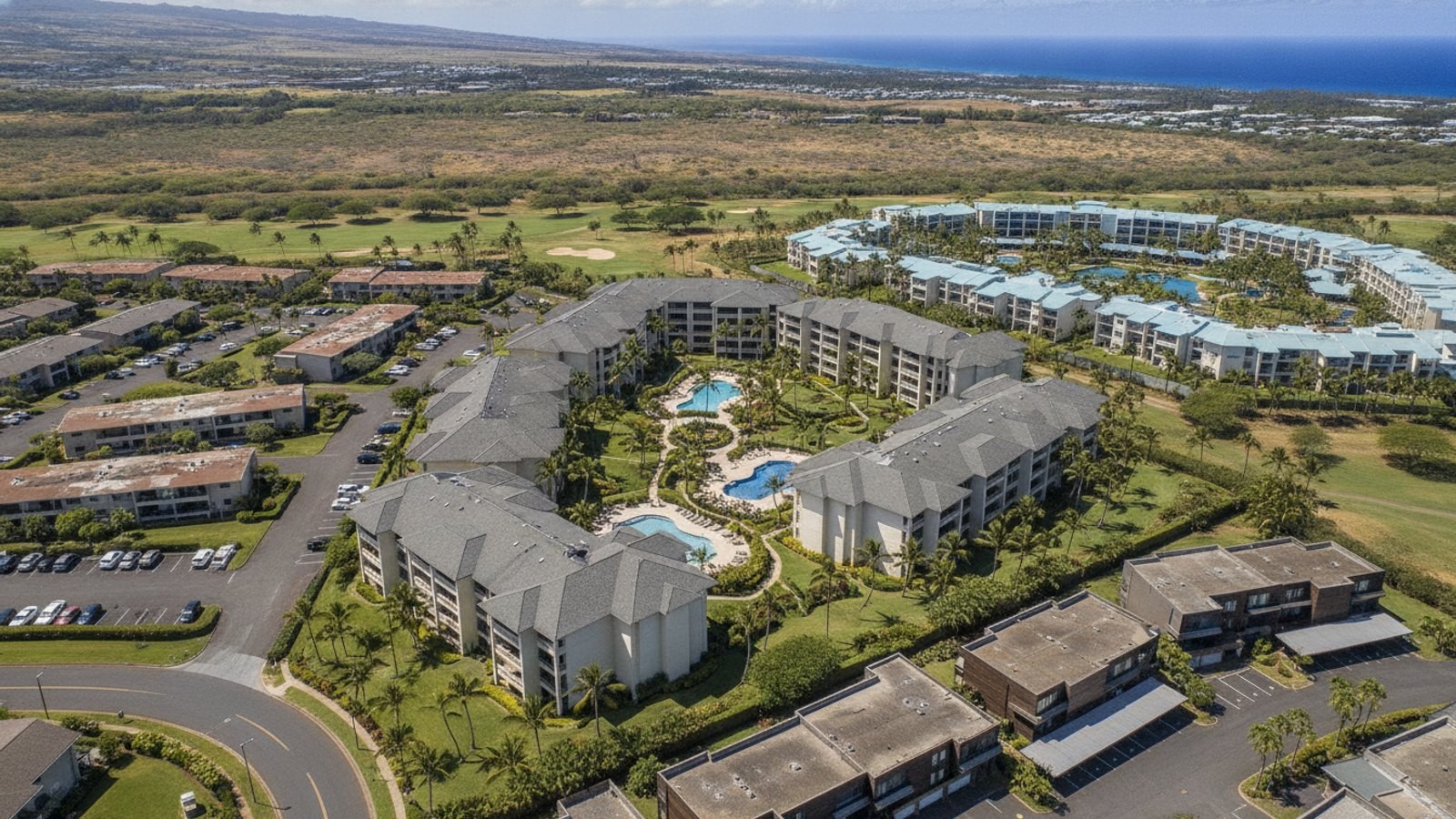
If you're wondering how to market a condo sale in Maui, the first thing I want to tell you is simple: marketing does not fix the wrong price.
You can have beautiful photos, a clean listing page, a great video, and strong exposure, and still watch a condo sit if the pricing is out of sync with what buyers are seeing in that specific building. The strongest condo marketing starts with the numbers buyers are already using to compare your unit.
Key takeaways
- The best condo marketing starts with pricing, not promotion.
- Building-specific comps matter more than island-wide averages.
- Active, pending, and sold listings each tell a different part of the pricing story.
- Maui condo buyers compare buildings, views, HOA fees, tenure, and rental rules together.
- Professional visuals help, but they work best when the price already makes sense.
- Remote buyers need transparency, especially around fees, rules, and condition.
- A good launch creates early momentum; a weak launch can make a listing feel stale fast.
- Clear market context builds buyer confidence and reduces low-quality inquiries.
What does it mean to market a condo sale effectively?
To market a condo sale effectively, you need to present the condo to the right buyer, at the right price, with the right information and visuals.
In Maui, that means marketing both the unit and the building. Buyers are not just buying square footage. They're buying into a project, a lifestyle, a fee structure, an ownership model, and a location that feels very different from one part of the island to another.
Why condo marketing in Maui is different
A condo in Kihei is not evaluated the same way as a condo in Wailea. A unit in Kaanapali is not compared the same way as one in Napili or Wailuku. And even inside the same area, one building can behave very differently from the one next door.
That is why broad Maui averages can sound useful but still be misleading.
Buyers compare projects, not just price tags
Most serious condo buyers look at things like:
- The same floor plan in the same building
- Similar units in nearby condo complexes
- Ocean view versus garden view
- Renovated versus original condition
- Fee simple versus leasehold
- HOA fees and what they include
- Rental rules and restrictions
- Amenities, parking, storage, and beach access
So, when I look at pricing strategy, I don't want a seller anchored to a general island number. I want to know what buyers are choosing right now in that project and in the most relevant competing projects.
Off-island buyers rely on the listing more than ever
A big part of the Maui condo market shops remotely first.
That means your online presentation often becomes the first showing. Photos, video, floor plans, HOA details, rental information, and pricing logic all shape whether a buyer moves forward or moves on.
Step 1: Price from building-specific comps, not island-wide averages
This is the heart of a better marketing plan.
If the pricing is not grounded in the reality of your building, your marketing gets weak before it even begins. Buyers today are looking closely. They can see what else is active, what just went pending, what sold, and how your condo stacks up.
Why island-wide averages fall short
Island-wide condo averages blend together properties that should never be lumped together.
Averages can hide huge differences in:
- Location
- Age of the project
- Walkability
- Rental flexibility
- HOA fees
- View category
- Condition
- Ownership type
- Amenities
- Financing appeal
A fee simple, renovated ocean-view condo in South Maui should not be priced from the same lens as a leasehold unit with different restrictions and carrying costs somewhere else. That sounds obvious, but sellers still get pulled toward broad numbers all the time.
What data actually matters
When I price a condo for sale, I want to study four categories:
- Active listings: your current competition
- Pending listings: what buyers are choosing now
- Sold listings: proof of value that closed
- Expired or withdrawn listings: warning signs of overpricing or weak positioning
That mix gives a much more honest picture than a generic average.
How to use the comps the right way
Don't just pull sales and stop there. Adjust for the details buyers care about.
Look at:
- View
- Floor level
- Renovation quality
- Interior condition
- Lanai size
- Furnishings
- HOA fee level
- Special assessments
- Parking
- Storage
- Fee simple or leasehold status
- Rental rules
- Days on market
- Recent price reductions
A top-floor unit with a cleaner remodel and stronger view line should not be treated the same as a lower-floor unit in original condition. In some buildings, those differences create a meaningful pricing gap.
Step 2: Build the marketing message around the likely buyer
The next move is knowing who the condo is really for.
The right buyer profile shapes the listing copy, the visuals, the showing strategy, and even what details you lead with.
Common Maui condo buyer types
- Second-home buyers
- Vacation-rental buyers
- 1031 exchange buyers
- Retirees
- Local owner-occupant buyers
- Off-island lifestyle buyers
Each group looks at value a little differently.
A second-home buyer may care most about the feel of the space, the lanai, the beach access, and ease of ownership. A local buyer may focus more on monthly cost, parking, and day-to-day practicality. An investor may immediately ask about rental rules, occupancy patterns, and building demand.
Decision rule
- If the condo appeals most to a lifestyle buyer, lead with feel, location, and ease.
- If it appeals to an analytical buyer, lead with clarity, costs, and comps.
- If it appeals to both, your marketing needs to balance emotion and proof.
Step 3: Prepare the condo before it hits the market
The best marketing usually starts before the listing goes live.
You do not need to over-renovate to create a strong first impression. In many Maui condo sales, the highest-return prep work is simple, clean, and buyer-friendly.
High-impact prep that usually matters
- Deep cleaning
- Decluttering
- Neutral bedding and towels
- Fresh paint if needed
- Bright lighting
- Clean windows and sliders
- Tidy lanai furniture
- Minor repairs
- Clean grout and caulking
- Organized closets
- Reduced personal items
In Maui, I also pay close attention to salt air wear, moisture issues, rust, mildew, AC performance, and how the lanai presents. Buyers notice these details right away, especially in person.
What not to overspend on
Avoid major upgrades without checking whether your building supports the return.
That includes:
- Full renovations with no comp support
- Taste-specific finishes
- Furniture purchases that do not improve photography
- Improvements that conflict with HOA or AOAO guidelines
Step 4: Use visuals that help buyers trust what they're seeing
Professional visuals matter because they help buyers decide whether to take the next step.
But visuals should support the truth of the condo, not stretch it.
What to include
- Professional interior photos
- Exterior and amenity photos
- Lanai photos
- Honest view shots
- Floor plan
- Video walkthrough
- 3D tour if appropriate
For off-island Maui buyers, a complete visual package can function as the first showing. That is especially important when a buyer is trying to narrow down options before traveling.
Show the view honestly
This one matters.
If the unit has an ocean view, show the actual perspective from the living area or lanai. If it's partial ocean, say that. If it's more about garden, mountain, or resort landscaping, lean into what's true and attractive there.
Trust converts better than exaggeration.
Step 5: Write listing copy that explains value clearly
A condo listing should do more than list bedrooms, bathrooms, and square footage.
It should explain why this unit stands out inside its project and why the building itself deserves attention.
Your listing copy should answer buyer questions fast
Include clear details about:
- Building name
- Location benefits
- View type
- Condition
- Furnishings if included
- HOA fees
- Parking
- Amenities
- Fee simple or leasehold
- Rental rules
- Recent improvements
- Special assessments if applicable
A Maui condo listing should explain the lifestyle, the building, the ownership costs, and the comparable market data, not just the bedroom and bathroom count.
Step 6: Launch strong in the first week
The first 7 to 14 days matter because the most engaged buyers are often already watching for new inventory.
When a condo launches well-priced and well-presented, it creates energy. When it launches high and gets ignored, it can start feeling stale very quickly.
Your first-week checklist
- Final pricing confirmed from project-specific comps
- Strong lead photo selected
- Clean, mobile-friendly listing presentation
- Complete condo details and disclosures ready
- Photos and video live
- Easy showing instructions in place
- Fast response system for buyer questions
Step 7: Be transparent about HOA fees, tenure, and rental rules
Trying to soften or hide condo realities usually backfires.
The better strategy is to explain them clearly so qualified buyers stay engaged and unqualified buyers filter themselves out early.
Buyers want clarity on ownership costs
Be upfront about:
- HOA or maintenance fees
- What those fees include
- Special assessments
- Insurance considerations
- House rules
- Rental policies
- Pet rules where relevant
- Fee simple versus leasehold structure
Project-level market data is especially important in Maui because condo values can vary significantly by building, view, rental rules, tenure, amenities, HOA fees, and recent comparable sales.
Common mistakes that hurt condo marketing
Here are the mistakes I see most often:
1. Pricing from emotion
Sellers naturally attach meaning to the memories and upgrades in a property. Buyers don't price from memory. They price from comparison.
2. Using island-wide averages
This is one of the biggest misses. Broad averages rarely tell you what your specific project is doing.
3. Assuming photos can overcome price
They can't. Strong visuals help get attention, but incorrect pricing still stops momentum.
4. Hiding condo costs
If buyers discover fees, assessments, or restrictions late, trust drops fast.
5. Overstating rental potential
Rental use needs to be presented carefully and accurately. Buyers want facts, not fuzzy promises.
6. Ignoring remote-buyer needs
Missing video, floor plans, or document clarity can cost you serious interest, especially in Maui.
Maui condo marketing checklist
Before you list, make sure you have:
- A building-specific pricing analysis
- Active, pending, and sold comps
- View and condition adjustments
- HOA fee details
- Assessment information
- Fee simple or leasehold clarity
- Verified rental rules
- Professional photography
- Video walkthrough
- Clean and decluttered interiors
- Strong listing copy
- A launch-week exposure plan
- Easy showing access
- A process for tracking buyer response
FAQ
How do you market a condo sale effectively?
To market a condo sale effectively, start with accurate pricing based on comparable active, pending, and sold units in the same building or nearby competing projects. Then prepare the property, use professional visuals, write buyer-focused copy, disclose key condo details clearly, and track buyer response after launch.
Why are building-specific comps better than island-wide averages?
Building-specific comps reflect what buyers are actually comparing when evaluating your condo. Island-wide averages blur together different locations, views, tenure types, fees, amenities, and buyer pools.
How important is pricing when selling a Maui condo?
It's one of the most important parts of the entire strategy. If pricing is off, even strong marketing may not create the showings or offers you want.
Should I renovate before selling?
Not always. Many sellers get better results from cleaning, minor repairs, decluttering, and presentation than from expensive remodels. Always compare your potential upgrade cost against recent sales in your specific project.
What matters most to off-island buyers?
Off-island buyers usually want strong visuals, clear building information, HOA details, rental rule clarity, easy remote access to documents, and confidence that the price is supported by local comps.
Final thoughts
If you want to market your condo sale better, don't start with the ad. Start with the comparison set.
That means studying your building, your direct competition, your pending clues, your closed sales, and the details buyers actually care about. Once the pricing is grounded in real project-level data, the rest of the marketing works much harder for you.
In Maui condo sales, the strongest marketing is not the loudest. It's the clearest, the most credible, and the most connected to how buyers actually make decisions.
If you're preparing to sell, start by reviewing what is active, pending, and sold in your building or neighborhood. That gives you the kind of real context that leads to better pricing, better presentation, and better buyer confidence from day one.