Maui Just Listed Blog

July 8, 2026

How to Sell a Luxury Home in Maui: The Strategy Most Sellers Miss

Selling a luxury home in Maui is not like selling an ordinary property. You are not just selling bedrooms, square footage, and a view. You are selling privacy, scarcity, identity, and a version of life the buyer wants to step into.

If you want to sell a luxury home in Maui without leaving money on the table, the strategy starts long before the listing goes live. The best results come from pricing with precision, presenting the home at a world-class level, and telling a story that makes the right buyer feel the property is worth the flight, the attention, and the offer.

Quick Answer

To sell a luxury home in Maui, start by identifying the most likely buyer, pricing the property strategically, preparing the home to remove objections, creating premium visuals, marketing beyond the MLS, and negotiating around certainty as much as price.

Key Takeaways

  • Luxury buyers in Maui are often buying a lifestyle asset, not just a residence.
  • The biggest marketing mistake is leading with features instead of the Maui life the home makes possible.
  • Pricing is not a guess. It is a market-positioning decision.
  • Many serious buyers are out-of-market, so your digital presentation must do the selling first.
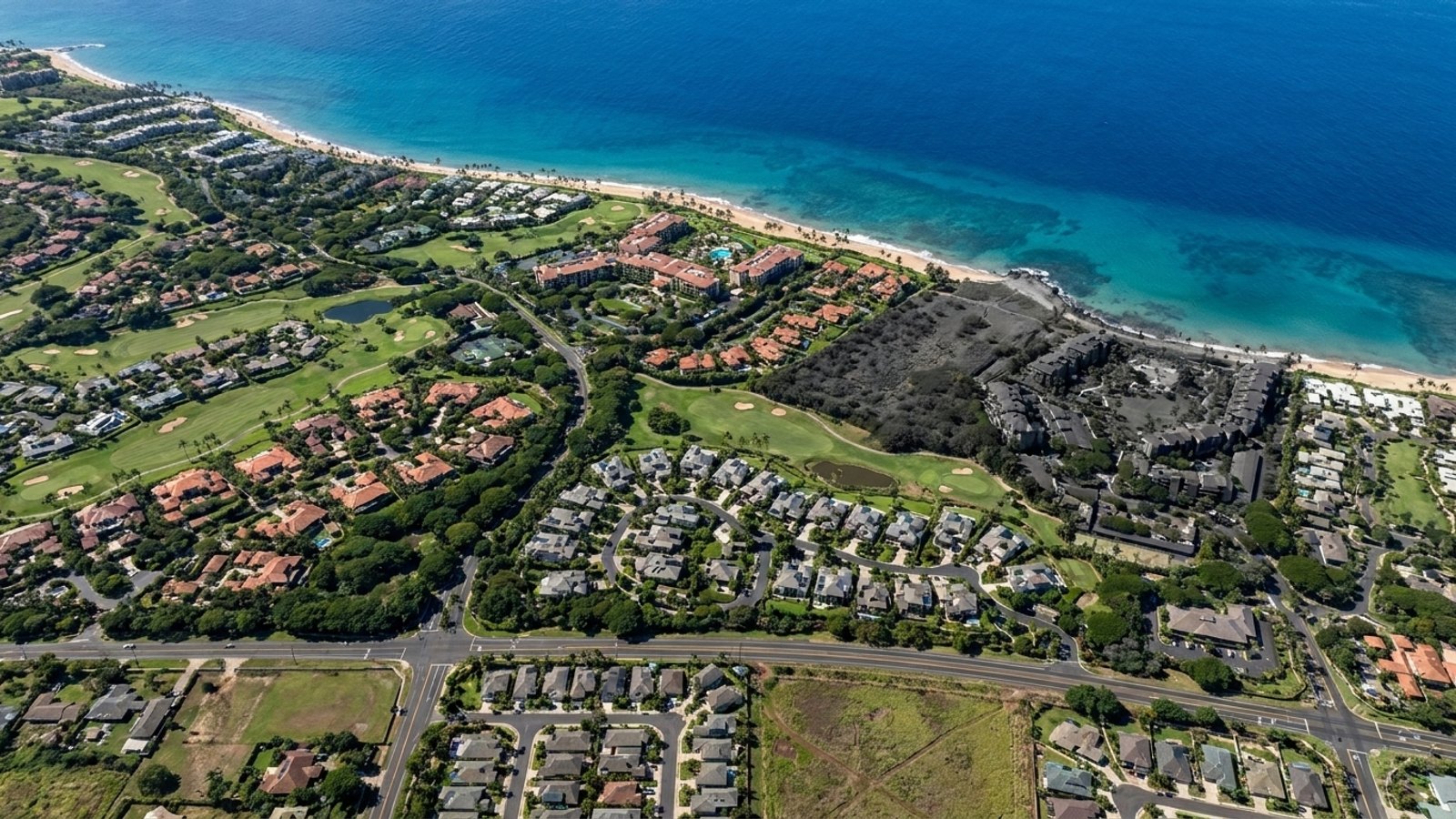
  • Maui luxury real estate is not one market. Wailea, Makena, Kapalua, Upcountry, and the North Shore attract different buyers.
  • Small mistakes in preparation, documentation, or presentation can cost a seller significantly.
  • The MLS matters, but luxury homes often require a broader distribution strategy.
  • The right agent should bring submarket knowledge, pricing discipline, visual marketing, and strong luxury relationships.

What makes selling luxury homes in Maui different?

Selling luxury homes in Maui requires a different approach because buyers are not only comparing your property to local listings. They may also be comparing it to other elite lifestyle markets in Hawaii, California, mountain resort communities, and international destinations.

That changes everything. The buyer pool is smaller, more selective, and more demanding. A luxury listing has to communicate emotional value and practical value at the same time.

What are Maui luxury buyers really paying for?

Maui luxury buyers often care about more than the home itself. They are paying for a set of experiences and advantages that feel difficult to replace.

These value drivers often include:

  • Ocean views
  • Beach access
  • Privacy
  • Architecture and design
  • Indoor-outdoor living
  • Wellness and calm
  • Resort access
  • Lock-and-leave convenience
  • Land and scarcity
  • Legacy potential
  • Rental flexibility where applicable

A home in Wailea may sell on polished resort living and convenience. A Makena estate may sell on rarity, privacy, and prestige. An Upcountry property may sell on acreage, climate, and a quieter version of island luxury.

Step 1: Define the right buyer before you market the home

The fastest way to weaken a luxury listing is to market it to everyone. Broad messaging usually creates generic marketing, and generic marketing makes exceptional homes feel ordinary.

Start by identifying who your property is most likely to attract.

Common Maui luxury buyer profiles

  • Lifestyle relocator

    • Wants to live in Maui full-time
    • Cares about comfort, daily convenience, community, and long-term livability
  • Second-home buyer

    • Wants a beautiful escape
    • Cares about ease, views, management, and low-friction ownership
  • Legacy estate buyer

    • Wants a generational property
    • Cares about land, privacy, architecture, and permanence
  • Investor buyer

    • Cares about rental rules, taxes, carrying costs, and income potential
  • Prestige buyer

    • Wants scarcity, status, design, and trophy appeal

A $4 million Upcountry estate, a Wailea resort residence, and a $12 million Makena oceanfront property should not be marketed with the same language, the same visuals, or the same buyer assumptions.

Step 2: Price the property based on strategy, not emotion

Luxury pricing in Maui requires discipline because direct comparable sales are often limited. Oceanfront position, view quality, land size, privacy, renovation level, and resort proximity can change value dramatically.

Pricing is not a guess. It is a market-positioning decision.

A strong pricing analysis should consider:

  • Recent comparable sales
  • Current competition
  • Pending sales
  • Days on market
  • Price band demand
  • View corridor and orientation
  • Privacy
  • Architecture and finish quality
  • Beach or ocean access
  • Renovation condition
  • Rental eligibility or restrictions
  • Carrying costs
  • Seller timeline

Should you price high and negotiate down?

Sometimes sellers assume a high list price protects them. In reality, it can reduce urgency and cause strong buyers to wait.

In a selective market, an unrealistic price often sends the wrong message. If the listing tells the market the seller is disconnected from reality, the best buyers may not engage at all.

Step 3: Prepare the home so the value feels obvious

Luxury buyers notice details quickly. Deferred maintenance, visual clutter, or worn finishes can introduce doubt, even in a beautiful property.

Preparation is not about making the home bland. It is about making the value clear and the experience effortless.

Pre-listing preparation checklist

  • Deep clean the home
  • Declutter and simplify key spaces
  • Remove overly personal items
  • Repair visible wear
  • Refresh paint where needed
  • Service major systems, pool, spa, gates, and lighting
  • Improve landscaping
  • Clean lanais, decks, and outdoor entertaining areas
  • Trim landscaping to preserve views
  • Organize permits, surveys, HOA documents, and maintenance records
  • Confirm rental, zoning, and tax-related information where relevant

Should you renovate before selling?

Renovate when the update removes a major buyer objection or clearly improves first impressions. Avoid major projects that delay the listing, create permit issues, or reflect overly personal taste.

In luxury real estate, not every improvement increases value. Some improvements simply reduce objections.

Step 4: Sell the Maui life the home makes possible

This is where most luxury marketing falls short.

Weak listing copy focuses on features. Strong luxury marketing connects the property to identity, emotion, and lifestyle.

Do not sell features. Sell the Maui life the home makes possible.

Here is the difference:

  • Weak: “4-bedroom home with ocean views and pool.”
  • Strong: “A private Wailea retreat designed for sunset dinners, effortless indoor-outdoor living, and quiet mornings overlooking the Pacific.”

Build the listing around one central idea

Every luxury home needs a clear positioning angle.

Examples:

  • A private ocean-view estate minutes from Wailea’s best beaches
  • A rare Makena retreat for buyers who value privacy, design, and direct connection to the ocean
  • A Kapalua escape built for golf, entertaining, and dramatic Pacific views
  • An Upcountry estate for buyers seeking acreage, calm, and a refined island lifestyle

Emotional drivers that help luxury listings convert

  • Privacy
  • Escape
  • Scarcity
  • Legacy
  • Wellness
  • Simplicity
  • Entertaining
  • Family connection
  • Prestige
  • Peace of mind

The goal is not to exaggerate. The goal is to articulate what the home feels like to own and live in.

Step 5: Invest in world-class visual presentation

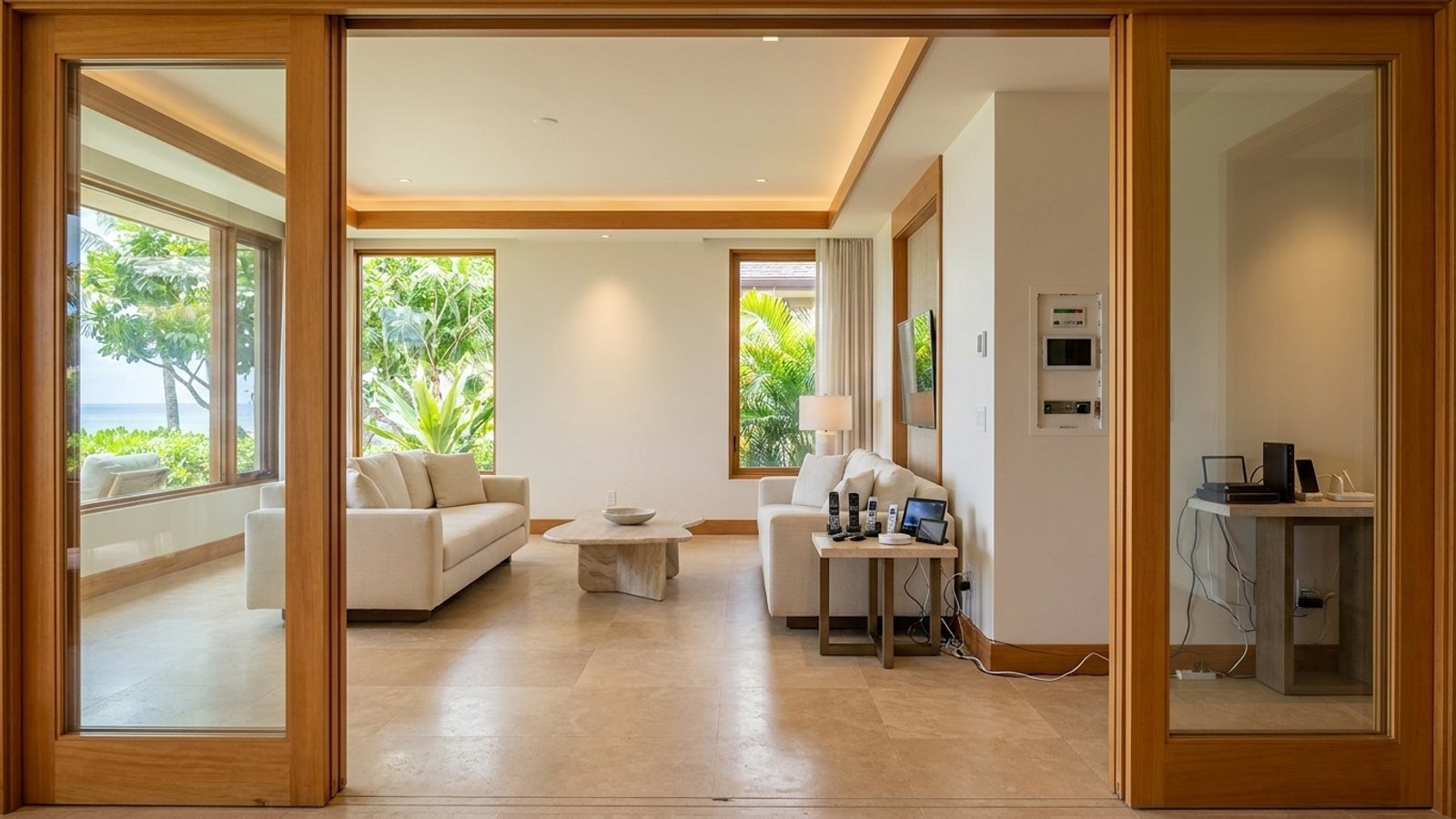
A luxury buyer may discover your home online weeks before ever stepping onto Maui. That means the first showing happens digitally.

If the visual presentation feels ordinary, the home can be dismissed before the buyer ever asks a question.

What strong visual marketing should include

  • Editorial-quality photography
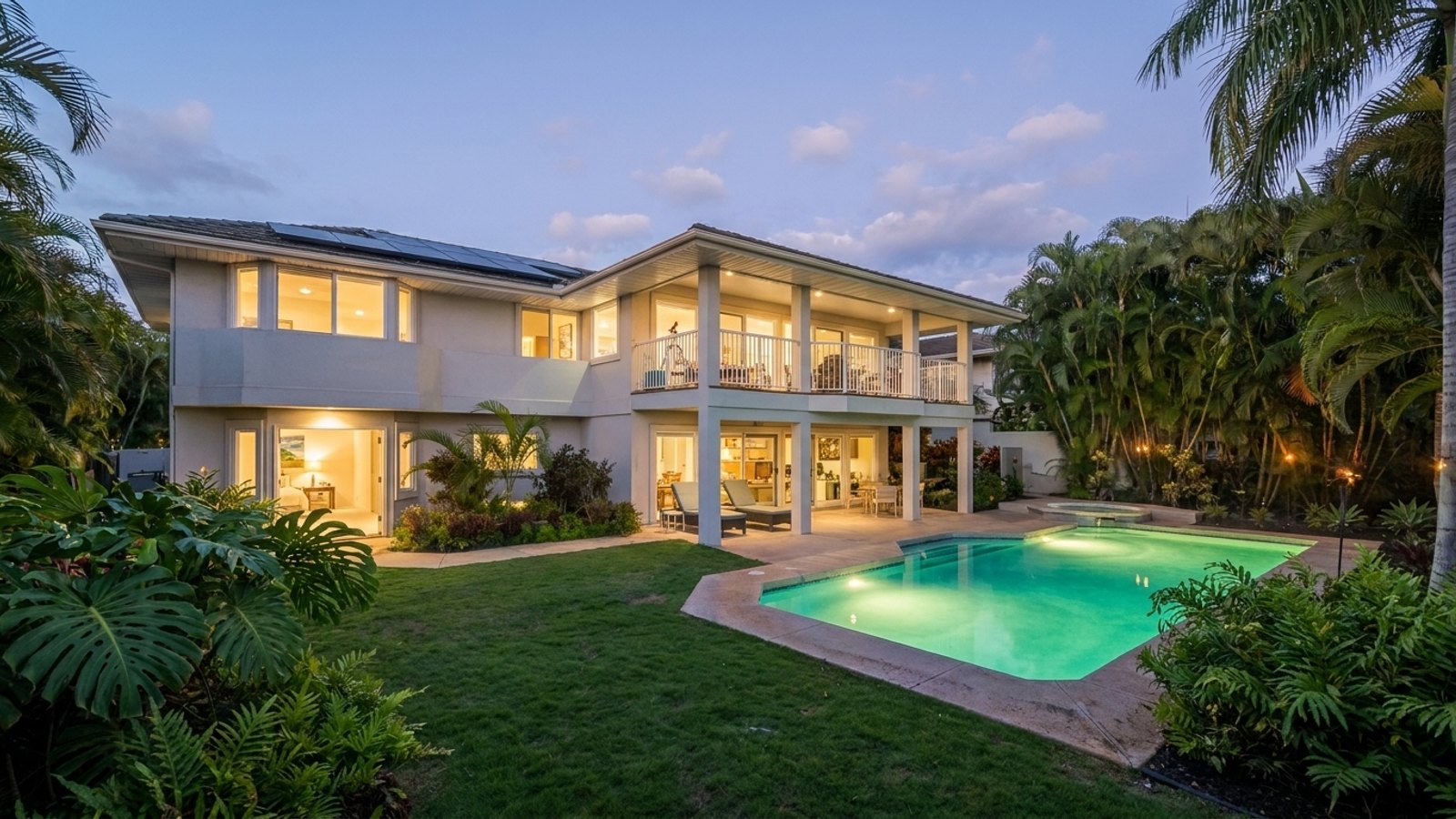
  • Sunset and daytime images
  • Outdoor living areas
  • Pool, spa, and lanai coverage
  • Primary suite and entertaining spaces
  • Architectural details
  • Drone footage
  • Cinematic video
  • Floor plans
  • 3D tours where appropriate
  • A dedicated property website or presentation page

Why drone and video matter in Maui

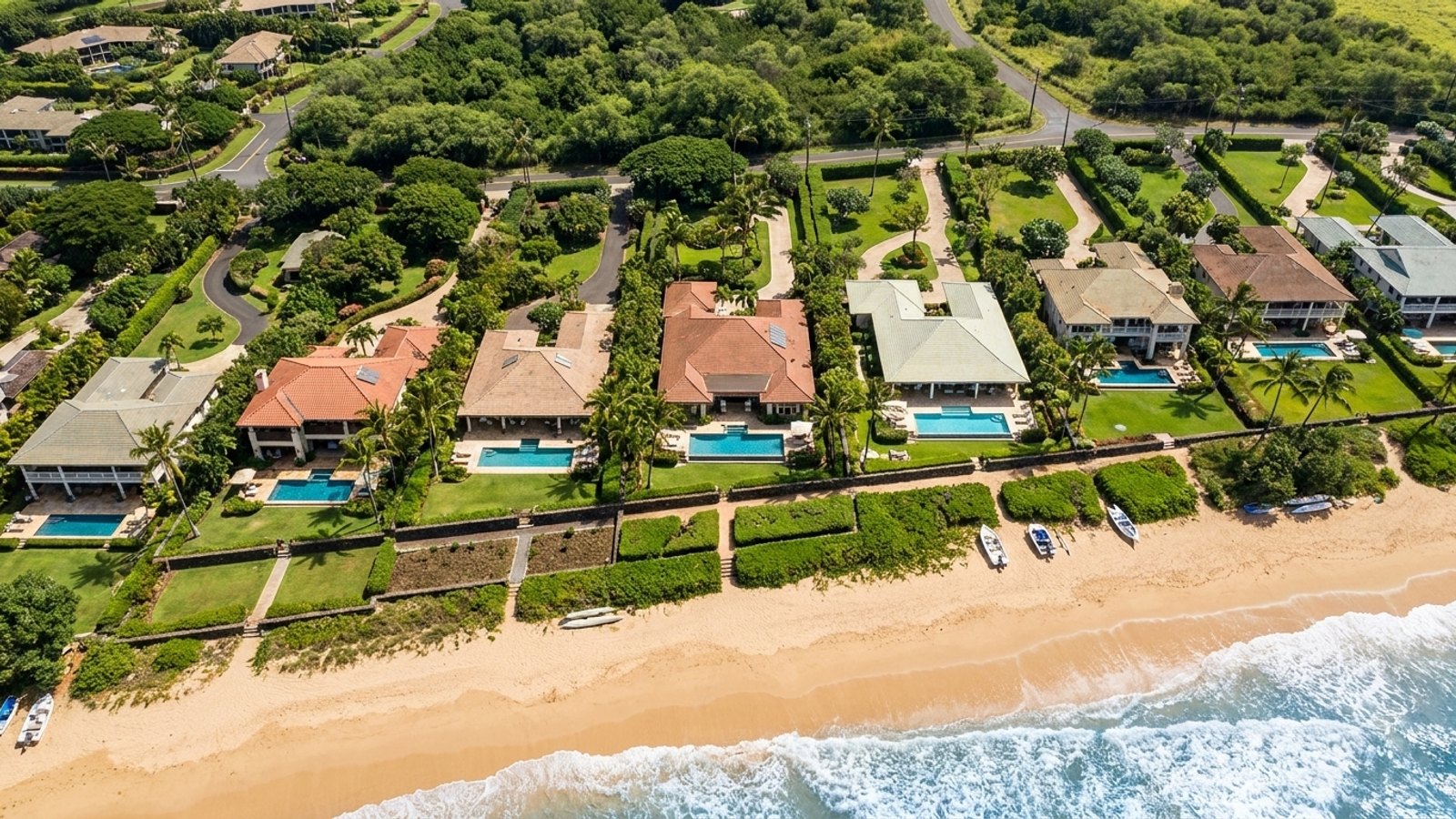
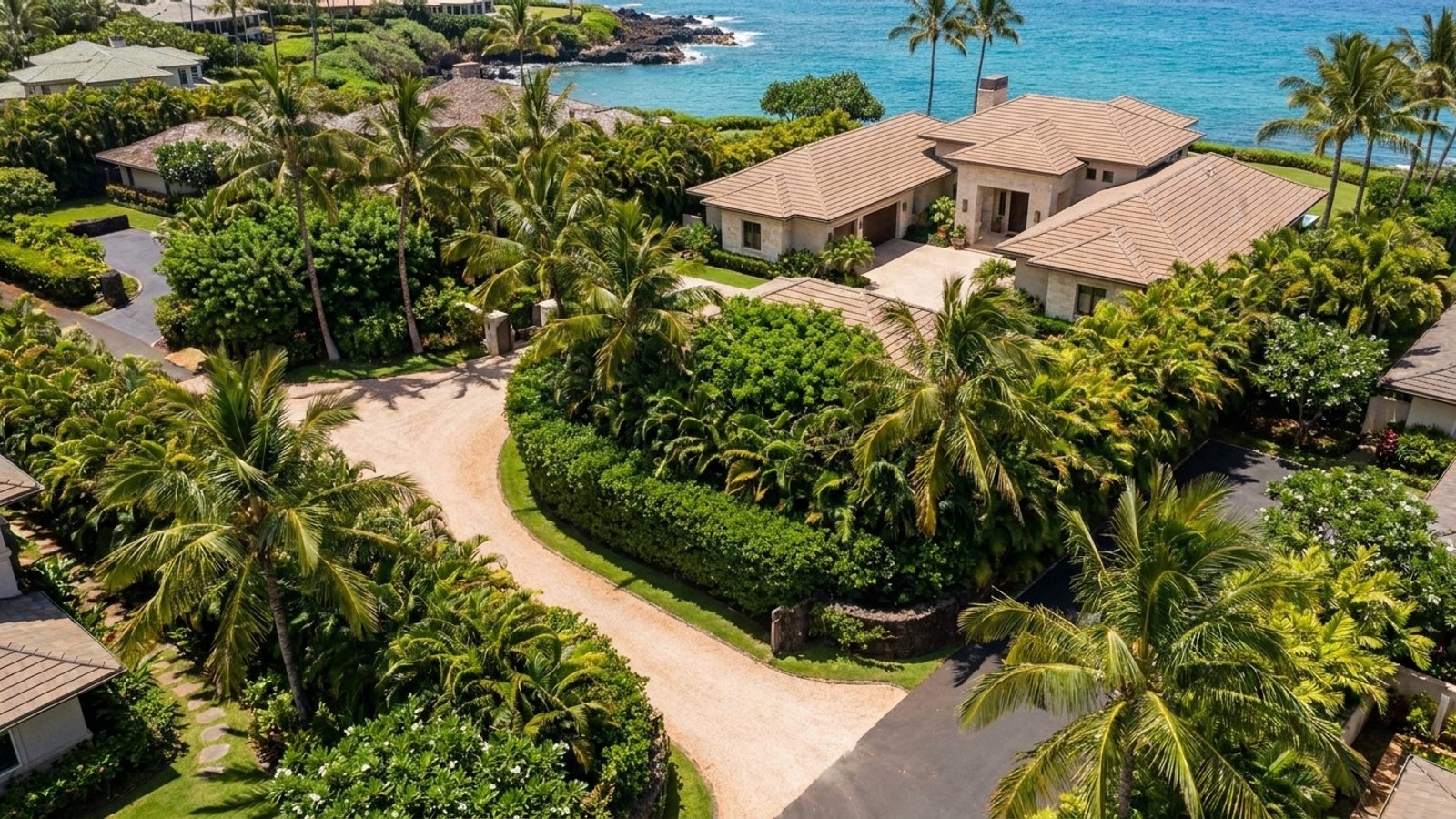
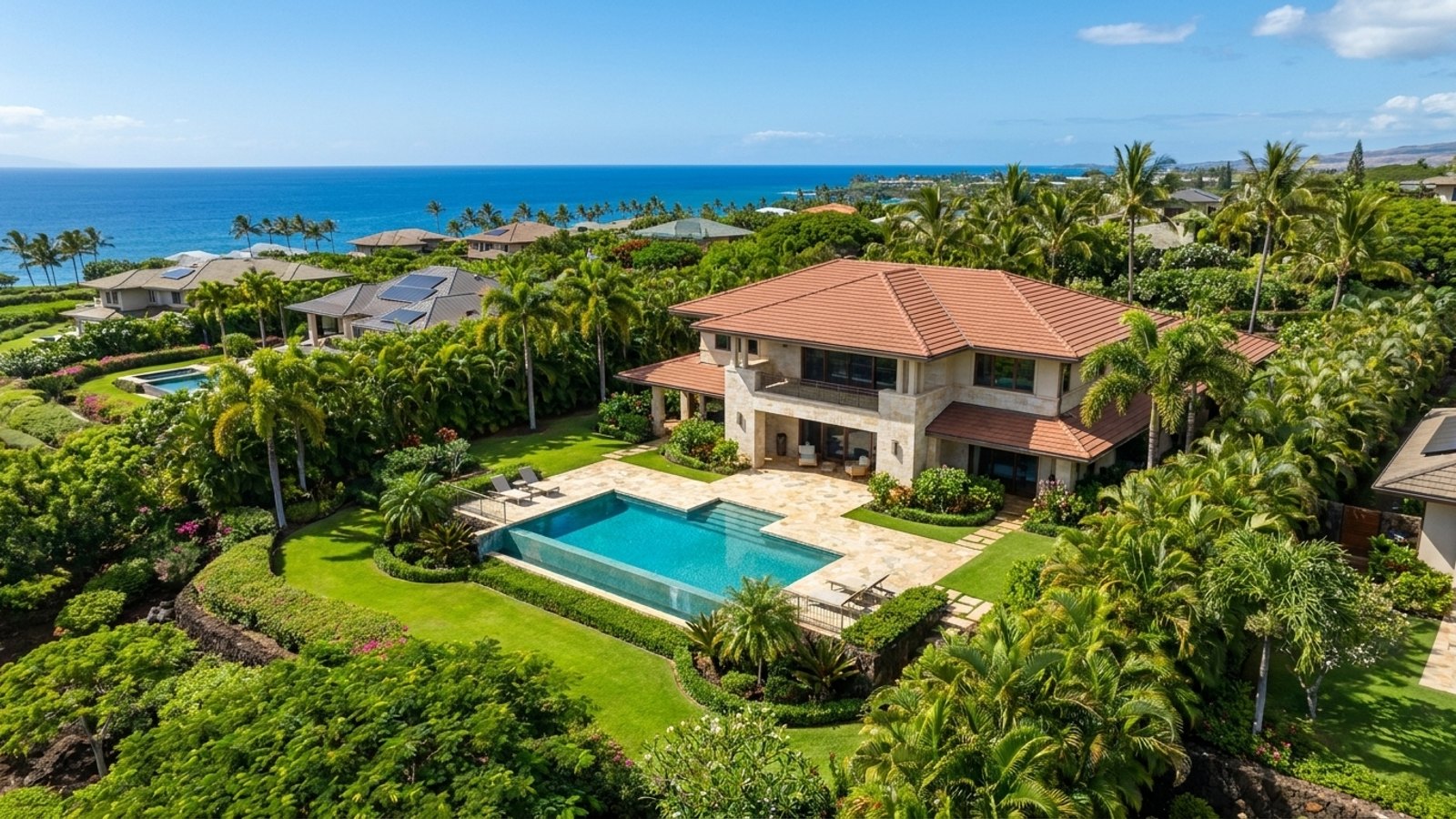
Drone footage helps buyers understand lot lines, privacy, ocean proximity, and the relationship between the home and the surrounding landscape. Video helps remote buyers feel flow, scale, and atmosphere in a way still images cannot.

Step 6: Market beyond the MLS

The MLS is necessary, but it is not the full luxury strategy. Exposure alone is not the goal. Qualified exposure is the goal.

A stronger distribution plan may include:

  • Maui MLS
  • Luxury brokerage networks
  • National and international listing platforms
  • Direct outreach to top agents
  • Private buyer databases
  • Email campaigns
  • YouTube and cinematic video distribution
  • Social media retargeting
  • Broker previews
  • Private showings
  • High-end print or digital collateral

Agent relationships matter here. Many luxury transactions begin with a trusted conversation before they become a public opportunity.

Step 7: Make private showings feel curated

Luxury showings should feel calm, private, and intentional. The environment matters because buyers are evaluating more than finishes. They are evaluating how the property makes them feel.

Showing checklist

  • Lights on
  • Comfortable temperature
  • Best blinds and doors positioned for views
  • Outdoor spaces spotless
  • Pool and water features ready
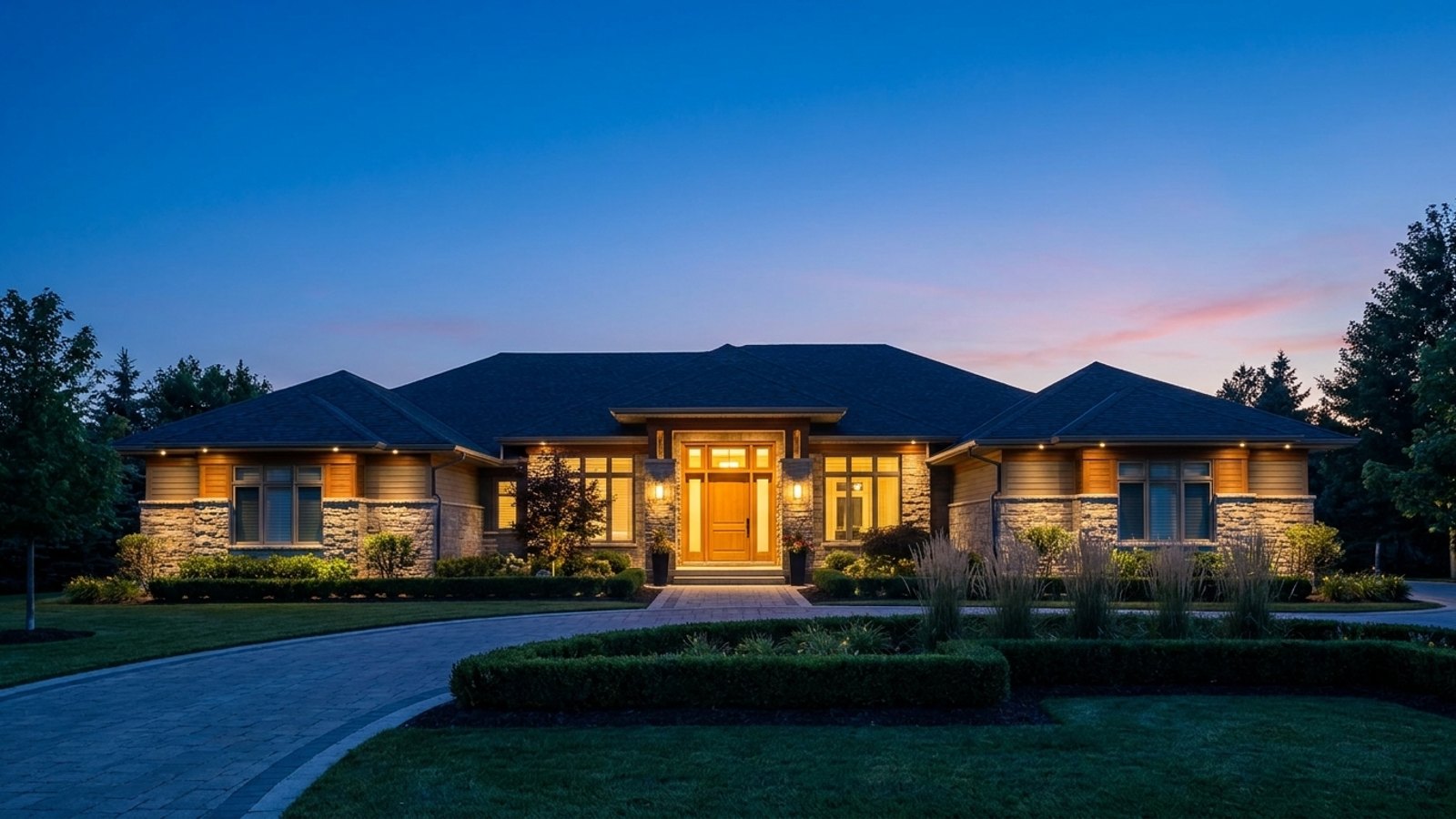
  • Entry sequence clean and inviting
  • Personal items removed
  • Valuables secured
  • Feature sheet available
  • Showing scheduled at the home’s best hour

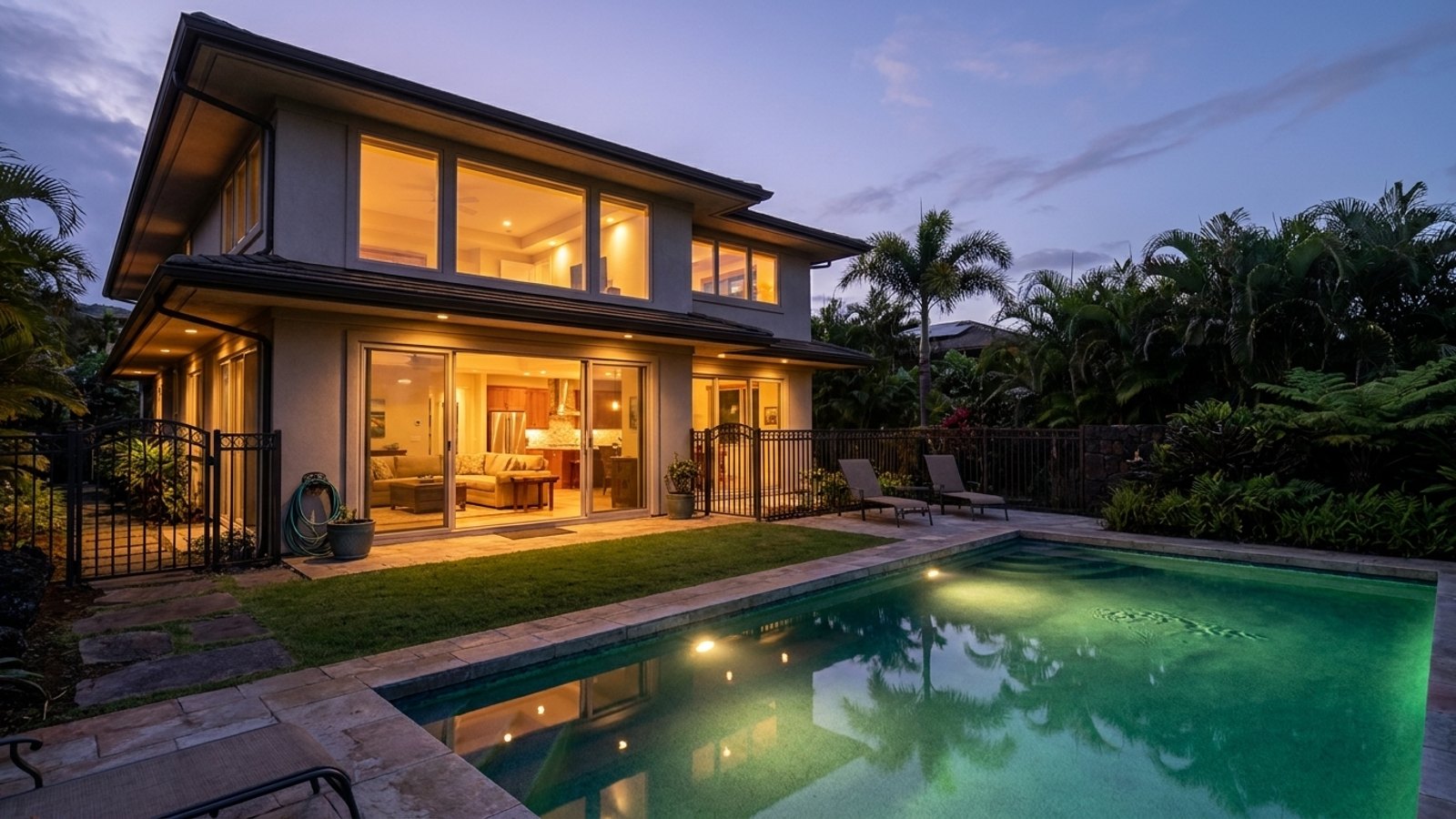
Every luxury home has a best moment. For some it is sunset. For others it is morning light, cool trade winds, or the transition from indoor living to a glowing lanai in the evening.

Step 8: Be ready on disclosures, tax questions, and documentation

Luxury buyers and their advisors tend to ask better questions. Clean documentation builds confidence and reduces friction.

Be prepared with:

  • Seller disclosures
  • Permit history
  • Survey if available
  • HOA or association documents
  • Renovation records
  • Maintenance records
  • Utility information
  • Rental history if applicable
  • Property tax classification details
  • Zoning or rental-rule information where relevant

This guide is for general informational purposes only and is not legal, tax, or financial advice. Always consult qualified Hawaii real estate, legal, and tax professionals before making decisions.

Step 9: Negotiate around certainty, not just price

A strong luxury offer is about more than the headline number. Terms matter, and certainty matters.

Evaluate:

  • Proof of funds
  • Cash versus financing
  • Contingencies
  • Inspection timeline
  • Closing schedule
  • Earnest money
  • Appraisal risk
  • Furnishings and exclusions
  • Rental booking considerations
  • Seller leaseback needs
  • Buyer motivation

Luxury sellers sometimes let emotion shape negotiation. That is understandable, especially when a property has personal meaning. But the strongest negotiating posture is calm, informed, and strategic.

Common mistakes Maui luxury home sellers should avoid

1. Overpricing based on emotion

Memories and investment matter to you. Buyers respond to market reality, competition, and perceived value.

2. Using ordinary marketing for an extraordinary property

Luxury homes need better positioning, stronger visuals, and more thoughtful distribution.

3. Ignoring the out-of-market buyer

Many serious buyers first encounter the property from thousands of miles away.

4. Failing to prepare the home

Visible maintenance issues create doubt about hidden issues.

5. Selling features instead of lifestyle

Luxury buyers often buy emotion, confidence, and identity along with the asset.

6. Weak documentation

Unclear permits, vague rental claims, or missing records can slow or weaken a sale.

7. Hiring based on familiarity instead of capability

Luxury representation should be chosen on strategy, execution, network, and negotiation skill.

FAQ About Selling a Luxury Home in Maui

What is the best way to sell a luxury home in Maui?

The best approach combines strategic pricing, high-level preparation, premium visuals, targeted marketing, strong documentation, and skilled negotiation. A luxury property needs more than exposure. It needs the right story and the right audience.

How do I price a luxury home in Maui?

Use recent comparable sales, active competition, submarket trends, view quality, privacy, architecture, condition, and buyer demand by price band. Luxury pricing should be precise and market-aware.

How important are photos and video?

They are critical. Many buyers first discover Maui luxury real estate online, and the visual presentation often determines whether they schedule a showing.

Should I renovate before selling?

Only when the improvement removes a major objection or clearly improves buyer perception. Avoid long, expensive projects with uncertain return.

How long does it take to sell a luxury home in Maui?

It depends on the price, location, condition, demand, and uniqueness of the property. Luxury homes often take longer than lower-priced homes because the buyer pool is smaller.

Final Thoughts

Selling a luxury home in Maui requires more than listing a beautiful property. It requires understanding what makes the home rare, who is most likely to value it, and how to present that value with precision.

If you only do three things, do these:

  • Define the most likely buyer before you market the home
  • Price with discipline, not emotion
  • Tell a story about the lifestyle, privacy, and identity the property creates

Your home is not ordinary. Your selling strategy should not be either.

Request a Private Maui Luxury Home Valuation

If you want to sell a luxury property in Maui with a clear strategy, request a private valuation and selling consultation. I’ll help you understand your home’s likely buyer profile, current market position, and the best path to a confident sale.

Posted in Real Estate Blog
Feb. 18, 2026

Maui Real Estate Market December 2025: What the Surge in Sales and Steep Condo Price Drop Really Means for Buyers and Sellers

If you’ve been watching Maui’s housing market over the past year, you’ve probably noticed two conflicting trends: sales are accelerating, yet prices—especially for condos—are falling sharply. December 2025 confirmed this pattern in a big way. Sales jumped by double digits, inventory opened up, and condo values saw one of the steepest year-over-year declines on record.


For buyers, these shifts may signal new opportunities. For sellers, they raise urgent questions about pricing strategy, timing, and the impact of policy changes like Bill 9. This guide breaks down exactly what happened in December, why it matters, and what you should do next—whether you’re buying, selling, or trying to understand Maui’s rapidly changing real estate landscape.


Key Takeaways

• Single-family home sales rose 22.2% year-over-year in December 2025.

• Condo sales rose even more sharply, up 41.5% compared to December 2024.

• Condo prices dropped 25.6% to a median of $640,000—the steepest decline in years.

• Year-end condo prices fell 23%, averaging $692,860 for 2025.

• Single-family home prices slipped slightly by 2% to $1,340,000.

• Inventory rose, creating more options and slower market times for both homes and condos.

• Days on market increased to 128 days for homes and 162 days for condos.

• Uncertainty around Bill 9 is weighing heavily on the condo market.

• Higher maintenance fees and insurance costs are making many condos financially out of reach for buyers.

• Despite price drops, total dollar volume increased due to higher transaction activity.


What’s Driving the Big Changes in Maui’s December 2025 Real Estate Market?


Maui entered the end of 2025 with a noticeable shift: more inventory, more buyer engagement, and falling prices in key segments. This combination brought more activity—sales rose for both homes and condos—but it also highlighted deeper pressures, especially in the condo market.


According to new data from the Realtors Association of Maui (RAM), the volatility is tied not just to economic conditions but also policy changes and rising ownership costs that haven’t slowed down.


How Did Single-Family Homes Perform in December?


Single-family homes saw a meaningful increase in activity. Sales were up 22.2%, with 66 homes sold in December 2025 compared to 54 in December 2024. Buyers who were previously priced out or waiting for more selection re-entered the market, helped by the rise in available listings.


Prices, however, softened slightly. The median home price dipped 2% to $1,340,000. While not a dramatic shift, it reinforces the cooling trend that’s been building throughout 2025. Days on market also ticked up to 128 days—a signal that the market is still active but no longer moving at the rapid pace seen during the peak years of low inventory and pandemic-driven demand.


How Did Condominiums Perform—and Why Are Prices Dropping So Fast?


The condo market saw the most dramatic change by far. Sales surged 41.5%—yet prices dropped 25.6% year-over-year for December. The median price plummeted from $860,000 in December 2024 to $640,000 in December 2025. For the full year, condo prices fell 23%, landing at $692,860.


This combination—higher sales but lower prices—suggests that buyers are taking advantage of the sudden affordability, while sellers are pricing aggressively to move units in a shifting market. Days on market tell the same story: condos sat for a median of 162 days, a 38.5% increase. Simply put, condos are taking much longer to sell.


Buyers are taking advantage of the sudden affordability, while sellers are pricing aggressively to move units.


Is Bill 9 Responsible for the Condo Price Decline?


According to RAM CEO Malama Minn, yes—at least partially. Bill 9 phases out short-term rentals in apartment-zoned districts. While its intent was to convert vacation rentals into long-term housing or primary residences, the current data doesn’t support that outcome.


Minn notes that uncertainty around Bill 9 has chilled buyer confidence and dragged down condo values. Buyers are wary of purchasing a unit that may lose its rental income potential or face new long-term restrictions. And even beyond the bill, condos have become more expensive to own for reasons that don’t show up in the listing price. Maintenance fees and insurance premiums are rising rapidly—costs that can push the monthly payment beyond what many buyers can manage.


Why Are Properties Sitting Longer Before Selling?


Across Maui, both homes and condos are taking longer to sell because inventory is higher than in previous years, buyers are being more selective, financial feasibility is changing due to fees and insurance, and policy uncertainty is affecting investor confidence. RAM President Georgie Tamayose summarized the shift well, noting that more inventory and longer market times are giving buyers space to be thoughtful, instead of rushing into decisions.


What About Total Sales Volume?


Even with price declines, the total dollar volume for real estate increased. Single-family homes accounted for $127.4 million, up 24.5%, and condominiums accounted for $77.9 million, up 28.9%. This reflects the spike in transaction activity—more homes and condos are changing hands, even if they’re selling at lower prices.


More homes and condos are changing hands—even if they’re selling at lower prices.


Common Mistakes Buyers and Sellers Make in a Market Like This


Buyers assume condo prices will keep falling indefinitely. Markets don’t drop in straight lines; waiting too long may mean missing the bottom.

Sellers price aggressively based on last year’s comps. With condo prices down 25.6%, your 2024 pricing strategy won’t work in 2026.

Investors underestimate maintenance and insurance cost inflation. These costs can add hundreds—or thousands—to monthly expenses.

Buyers ignore policy changes like Bill 9 until they’re in escrow. Understanding zoning rules early prevents unwelcome surprises.

Sellers fail to account for the longer selling timeline. Today’s average 162-day condo timeline requires better planning and more realistic expectations.


Frequently Asked Questions


Why did condo prices fall more sharply than single-family home prices?

Condo values are more sensitive to policy changes, investor confidence, and rising HOA and insurance costs. Bill 9 added uncertainty, slowing demand among buyers who previously depended on rental income to offset ownership costs. Single-family home demand remains stronger due to limited inventory and higher desirability for long-term living.


Is now a good time to buy a condo on Maui?

For buyers who plan to use the property as a primary residence or long-term rental, this may be one of the best opportunities in years. Prices have not been this low in over a decade, and sellers are increasingly flexible. However, investors should thoroughly evaluate HOA fees, insurance costs, and Bill 9 implications.


Will condo prices continue falling in 2026?

There may be further adjustments, especially as the full effects of Bill 9 unfold. However, the steepest declines often occur early in policy transitions. Watch maintenance costs and inventory levels—these will be the leading indicators.


Are sellers at a disadvantage right now?

Not necessarily. While prices are down, buyer activity is up, and well-priced properties are still moving. The key is realistic pricing and strong marketing.


How does increased days on market affect pricing strategy?

Longer market times mean sellers should price strategically from day one rather than starting high and reducing repeatedly. Well-priced listings attract serious buyers faster, even in a slower climate.


What should buyers look for when evaluating condos today?

Focus on the financials: HOA fees, reserve funding, insurance premiums, upcoming assessments, and rental restrictions. These factors matter more than ever in 2026.


What’s the Next Step If You’re Considering Buying or Selling?


If you’re buying:

• Start by identifying neighborhoods where prices have adjusted the most.

• Compare HOA fees across similar properties—this is where the biggest surprises hide.

• Get clarity on how Bill 9 affects the condo or complex you’re considering.

• Move quickly when you find a strong value—good properties still attract competition.


If you’re selling:

• Price according to today’s market, not last year’s peak.

• Prepare for a 4–6 month selling timeline, especially for condos.

• Offer incentives like closing credits or pre-paid HOA fees if needed.

• Work with a Realtor who understands the nuances of the new policies and fee structures.


The Bottom Line


December 2025 marked a significant turning point for Maui real estate. Higher inventory and shifting prices opened the door for more buyers, while policy changes and rising ownership costs reshaped the condo market more dramatically than any year in recent memory.


Whether you’re a buyer seeking opportunity or a seller navigating a more complex landscape, understanding these trends is essential—and acting strategically can help you make the most of Maui’s evolving real estate market.


If you have any questions, please don’t hesitate to give me a call or send me an email. I look forward to hearing from you soon.

Posted in Market Updates
Feb. 17, 2026

Advantages of Making Sight Unseen Offers in Maui

If you’re a typical Maui homeowner thinking about selling in 2026, you’ve probably seen upbeat headlines: pending sales are rising, prices look strong, and luxury activity is surging again. But if you’re not selling a $4M Wailea estate, those numbers don’t tell the whole story. What most sellers are feeling on the ground is something different: more inventory, longer days on market, and buyers who are moving slower and scrutinizing value more carefully.


This report breaks down what’s really happening across Kihei, Wailuku, Kahului, and Upcountry, and what it means for your pricing strategy, timing, and expectations in today’s market.


Key Takeaways


Inventory is up, and homes across most price bands are taking longer to sell than they did in 2024 and 2025. Luxury sales in Wailea and West Maui are pulling up median and average prices, masking a more balanced—or slower—market for everyday sellers. Homes under $1.2M are still moving, but not instantly; expect first showings within 10–20 days and offers around the 30–45 day mark. Properties priced between $1.2M and $1.8M face the most competition, with many sitting 60+ days without an offer. Anything over $2M is highly variable: well-located Upcountry or Kihei properties sell, but condition and presentation matter more than ever. Overpricing by even 2–3% can add 30–45 days to your time on market in the current environment. Price reductions are increasingly seen by buyers as “normal,” not a red flag—if done early and strategically. Sellers who align price, condition, and presentation correctly still move quickly, even in a slower market.


What “Days on Market” Really Means in Maui’s 2026 Market


Days on market (DOM) is the clearest reflection of how quickly buyers are acting. And in 2026, DOM is rising island-wide for both single-family homes and condos. But that doesn’t mean the market is weak—it means the market is normalizing after several years when anything well-priced sold instantly.


DOM also varies significantly by price band, something island-wide medians completely conceal. Here’s how DOM looks for realistic seller segments:


Under $1.2M — Typical DOM: 35–55 days


These homes—especially in Kahului, Wailuku, and parts of Kihei—still draw strong buyer interest because they represent the island’s most accessible pricing. But the “sold in a weekend” era is over. Buyers now wait for more inventory to compare and often tour for several weeks before making a move. Expect showings within the first 1–2 weeks, offers closer to week 4–6, and know that homes in excellent condition can still move in under 30 days—but that is no longer the norm.


$1.2M–$1.8M — Typical DOM: 55–90 days


This is where the slowdown is most noticeable. Many Kihei and Upcountry homes fall into this band, and buyers here are cautious, rate-sensitive, and have more inventory to compare. First showings often take 10–20 days, expect gaps in activity as buyers in this segment shop slowly, and offers often appear between weeks 6–10. Price positioning is critical, because buyers in this band are actively comparing floor plans, upgrades, views, and lot usability.


$2M+ — Typical DOM: 90–150+ days


The $2M+ segment is heavily influenced by West Maui and Wailea luxury sales, which can close quickly, but those outliers skew the averages. For typical high-end homes in Kihei or Upcountry, the pool of buyers is smaller, and condition is a major deciding factor. Expect slow but steady showing traffic, serious buyers who focus on turn-key, well-maintained properties, and homes needing updates will sit dramatically longer. Offers can take several months even with strong marketing.


Overpricing by even 2–3% can add 30–45 days to your time on market.


Why Luxury Sales Skew the Numbers (and Why It Matters to Regular Sellers)


When a handful of $5M–$12M estates in Makena or Wailea close in the same month, Maui’s median and average price jump significantly. But this doesn’t mean your $1.3M Wailuku home is suddenly worth more. It means the data is distorted by outliers. Luxury sales inflate the median and average price, giving a misleading sense of “market strength.” Luxury buyers also behave differently—they are less rate-sensitive, faster to act, and more decisive—which makes DOM appear more favorable than it actually is for mid-range sellers.


Sellers in Kihei, Wailuku, and Kahului should interpret the data with caution. You must compare your home to others in your specific neighborhood and price band, not to the island-wide median.


Pricing Strategy in an Inventory-Rich Market


In 2026, Maui has more active listings than we’ve seen in several years. With more choices, buyers are slower and more selective. This means your pricing strategy has to be tighter than in a seller-tilted market. Even a small overprice puts you behind newer, competitively priced listings. Buyers immediately recognize “hope pricing,” and most won’t tour a home they feel is misaligned with the rest of the market.


A $1.25M Kihei home priced at $1.30M may sit long enough to become “stale,” forcing a reduction below where it would have sold originally. Meanwhile, a well-priced $1.6M Upcountry home will outperform a slightly overpriced $1.55M competitor, even if it’s slightly smaller or dated. In this market, the most effective price adjustments happen early. If you’re under $1.2M and have no offers by day 30, reassess. In the $1.2M–$1.8M range, if showings are light by day 45–60, it’s time for a reduction. At $2M+, reevaluate at the 60–90 day mark based on showing quality, not just quantity.


A price reduction is no longer a negative signal—it’s a sign you’re aligned with market value.


What Sellers Should Expect: Showings, Offers, and Time to Go Under Contract


Every area of Maui has its own rhythm, but the 2026 pattern is consistent. In Kihei, expect showings within 7–14 days, offers around 30–60 days, and under contract by 45–75 days. In Wailuku & Kahului, expect showings within 10–20 days, offers around 40–70 days, and under contract by 60–90 days. In Upcountry, expect showings within 14–21 days, offers around 45–90 days, and under contract by 75–120 days.


How Condition, Presentation, and Concessions Influence DOM


With buyers taking their time, the homes that win are the ones that feel move-in ready. Even small improvements—fresh paint, landscaping cleanup, minor repairs—can shift a buyer from hesitation to action. What shortens DOM most: completing repairs before hitting the market, professional cleaning, staging, and photography, offering credits for aging roofs, flooring, or appliances, being flexible on closing timelines, and pricing precisely against current inventory—not against last year’s comps.


Where You Should Be Patient (and Where You Shouldn’t)


Be patient when: showings are steady but offers are slow, feedback is positive but buyers are noncommittal, you’re in a higher price band with a smaller buyer pool, or comparable homes are also sitting 45–90 days. Revisit price when: you get minimal or no showings in the first 2–3 weeks, feedback consistently points to price rather than condition, competing homes receive reductions that undercut your position, or you’re losing buyers to better-priced alternatives.


A Realistic 2026 Seller Timeline


Here’s a grounded expectation for most Maui sellers this year: in weeks 1–2, your listing launches and first showing traffic begins. By weeks 3–4, buyer comparisons intensify and feedback becomes clearer. By weeks 4–8, offers begin to materialize depending on price band. By weeks 8–12, properties in the $1.2M–$1.8M and $2M+ ranges go under contract. And some higher-end homes require weeks 12–20 to find the right buyer.


Key Questions Maui Sellers Are Asking in 2026


How long does it take to sell a home on Maui right now? Most single-family homes take 45–90 days to secure a contract, depending on price band and area. Under $1.2M moves faster; above $1.8M typically takes longer.


Are rising prices a sign the market is getting hotter? Not necessarily. Luxury sales are inflating the island-wide numbers. Most mid-range sellers are experiencing a slower, more selective buyer pool despite strong headline prices.


Should I wait for the market to heat up? Waiting rarely benefits typical sellers. Increased inventory and longer DOM suggest a stabilizing market, not a surging one. The best strategy is correct pricing and smart preparation—not timing the market.


Is it better to price high and negotiate down? In 2026, no. Overpricing is the fastest way to add weeks or months to your timeline. Buyers ignore overpriced homes and wait for reductions.


Do price reductions scare buyers? Not in today’s market. Reductions are common and often viewed as a sign a seller is now aligned with market value.


What’s the best way to shorten days on market? Correct pricing, strong presentation, and addressing condition issues before listing make the biggest difference.


Next Steps for Maui Sellers


If you’re preparing to sell in 2026, the three steps that matter most are: first, get a price band–specific market analysis for your neighborhood—not island-wide stats. Second, decide whether you want to compete on price, condition, or presentation (you need to win at least one of the three). Third, set a realistic timeline that aligns with current DOM for your segment, not with past expectations.


A market with more inventory rewards sellers who are precise, prepared, and patient—but not those who wait too long to align price with reality.


If you have any questions, please don’t hesitate to give me a call or send me an email. I look forward to helping you navigate Maui’s 2026 market with confidence.

Posted in Market Updates
June 11, 2019

6 Things to Consider Before Buying a Second Home in Maui


A lot of my clients ask me this question: Should I buy a second home in Maui?


I’ve lived on the island for 30 years and have sold real estate for 18 of them. On top of this, my company has a thriving property management company that takes care of a lot of second homes. Needless to say, I know the ins and outs of buying, owning, and managing Maui properties. It’s wonderful to own a second home, but before you make the big decision of doing so, keep these six things in mind:


1. Spend time on Maui and get a feel for the Maui seasons before you buy. Each season brings a different feeling to the Island….for example, it gets very busy during the winter months, and you may not like the increased tourist traffic. Also, the only way to know if you’re not going to get island fever, is to spend time on the Island before you buy.


2. Be realistic about getting here. How long will it take? Do you need to go on two different planes and get a rental car? If you find it’s a big hassle just to make it out to your second home, you likely won’t be using it as much as you envisioned.


3. Put your pet through quarantine before you arrive on island. If you want to bring any animals, they’ll first have to go through a quarantine process at your home vet. After a variety of tests, you’ll get the proper papers, fly your pet out, and have your pet meet with a local vet. You can go back and forth with your pet, but you need to make sure the papers are updated. Here's a link to the HI Government Animal Quarantine site. 


4. Choose where to buy. If you’re worried about your second home’s safety when you’re away, know that it depends on where the home is. There are 13 different ecosystems on the island as well as local areas, country areas, and resort areas. A lot of my second-home buyers will buy in the resort area because there are certain security systems put in place. If you buy outside the area, do research ahead of time and find out what security measures you’ll need.


5. Decide how to mange your property. You have two options: You can upkeep your home or hire someone else to do it. If you handle it yourself, you’ll have a long list of things to do each time you arrive. If you hire a property management company, they’ll handle everything and give you a greater peace of mind.


6. Short-Term Vacation Rental is not an option for a property zoned Residential. The zoning of the land for residential homes dictates you must have at least a six-month lease. The only way around that requirement is if you’ve lived in it for five years and have obtained a short-term vacation rental license. To apply for a short-term vacation rental, you’d need to submit paperwork and pass a County/community vote.


If you have any questions or need further information, feel free to reach out to us. We look forward to hearing from you soon. 

Posted in Vlog
April 22, 2019

How to Determine If an Agent Is Right for You


We live in an era where technology is king, so when you’re choosing an agent to work with in your real estate transaction, you need to pick someone who is tech-savvy. This is especially true since we live on a little island in the center of the Pacific, where the time zone differs so much from the continental states. Technology will help bridge that gap.

You also need to decide if you want to work with a team or an individual agent. A team usually has specialists for each aspect of the buying process; an individual agent will be doing it all and must excel in each area.

Once you’ve made that decision, then hopefully that agent or team of agents will ask for a consult. This consult is key because it’s during that phase that they’ll identify all your needs, wants, and desires. They’ll also identify any potential problems, which is good, since it’s better to catch those issues earlier than later. This will help you and your agent(s) create a more seamless, relaxed, and joyful process. If the person you’re interviewing doesn’t ask for a consult, that indicates that they’re probably an order-taker, which aren’t as valuable as a team or agent who will guide you in the right direction for your goals.

Your team or agent needs certain qualities: experience, negotiating skills, great communication, tech-savviness, and trustworthiness, to name a few. These qualities can be identified during the consult, which can be done while you’re on the mainland or when you’re here on the island. Using the consult as an opportunity to vet your agent will save you time, energy, and heartache.

To expand on that, during this consult, you’ll want to ask the agent or team a series of questions to help determine whether they possess the qualities you’re looking for. Some examples include:


  • “How long have you been in the business?”
  • “What was your volume for the past year?”
  • “How many days was that particular home on the market? What was its list/sales price?”


Knowing an agent’s volume is important because in our quick-moving industry, you need to be doing deals in order to be on top of your game.

In addition to volume, an agent or team’s average days on market is a telling number, as well. Since we’re in a seller’s market right now, for instance, their days on market could be zero; zero days on market would mean that they captured that particular property before it even hit the market, got their client into it, and gave them a competitive negotiating position. That would mean that agent is going over and beyond the norm, which says that they’re an agent who would look out for your best interests and put you in a position of strength.


Using the consult as an opportunity to vet your agent will save you time, energy, and heartache.


Next, look at their list-to-sales-price ratio. If they’re a good negotiator, you’ll probably see a certain percentage taken off the list price.  Whatever that ratio is, you can use that number to help you make a decision for yourself regarding whether to work with that agent or team of agents.

It’s also important to gain an understanding of that agent or team’s system. Take note of their communication processes and how their team (if they have one) works together so that you can know if you’ll feel comfortable working in that system.

Finally, be sure to ask them a few questions to determine how much they understand your needs. Ask them what features you’re looking for in a home or property, and also ask them what your motivations are; if they didn’t get that when you told them the first time, you might consider looking to work for someone else.

Hopefully, this process you use to interview agents will give you the competitive edge you need when you land on the island. If you have any questions or need any assistance, don’t hesitate to reach out to me. I’d be happy to help. Aloha!

Posted in Vlog
March 21, 2019

How Do Real Estate Agents Get Paid?


People often ask me about how real estate agents make their money. The answer is a little more complicated than many might assume.

In short, agents receive a commission for each transaction they complete. Typically, sellers are expected to cover the commission fee for both agents involved: theirs and the buyer’s. This arrangement is contractually secured with a document called a listing agreement, which the seller signs to give their consent.


My team and I go to great lengths to educate and guide our clients.


However, there are rare circumstances where buyers, instead, are responsible for the commission fee.

For example, if a seller doing a private sale neglects to pay their agent the promised commission at the end of the deal, the buyer assumes liability. The good news is that this scenario is rare, and, also, For Sale By Owner listings sell at an average of 7% below the general market average.

Buyers may also become liable for this expense if the commission is too low or if they sign a buyer’s representation contract with a seller’s agent they met at an open house.

With all this in mind, I’ve never seen any of these three scenarios actually occur during my 17 years working in the Maui real estate market. My team and I go to great lengths to educate and guide our clients.

If you have any other questions or would like more information, feel free to give us a call or send us an email. We look forward to hearing from you soon.

Posted in Vlog
Feb. 1, 2019

How Can You Create the Best First Impression Possible for Your Home?


What’s the best way to make a great first impression when listing your home for sale?


Understand that it’s important to embrace technology. You only have one chance at a first impression, so use professional photos and compelling video, stage the home correctly, and capitalize on the features surrounding the home that most people wouldn’t understand. For instance, if you live close to the beach and you have an outdoor shower, set a surfboard next to it. That tells a story. That’s packaging.

What’s the difference between good packaging and poor packaging? If I came to your house offering two Rolex watches, but one was wrapped in a plain brown paper bag and the other was wrapped in a deluxe gift bag, which one would you choose?


You only have one chance at a first impression.


The answer is obvious, and that’s why
you always need to be asking yourself how you can create that “Wow!” feeling, because that’s what’s going to sell your house. You’ll generate a lot of interest at the very beginning and give yourself a better chance at attracting multiple offers, which will help you sell the home quicker and for a higher price.

If you have any more questions about this topic or you have any other real estate needs, don’t hesitate to reach out to me. I’d be happy to help you.

Posted in Vlog
May 30, 2018

Millennials Are Skipping Starter Homes

Millennials Are Skipping Starter Homes for Their Dream Homes

Millennials Are Skipping Starter Homes for Their Dream Homes | MyKCM

A new trend has begun to emerge. With home prices skyrocketing in the starter home category, many first-time homebuyers are skipping the traditional starter homes and moving right into their dream homes.

What’s a Starter Home?

According to the National Association of Realtors (NAR), simply put, a starter home is a one or two-bedroom home (sometimes even a small, three bedroom). “Prices vary widely by market but starters on average cost $150,000 to $250,000 while trade-up and premium homes cost upwards of $300,000.”

Finding Their Forever Homes Now

A recent CNBC article revealed that there are many factors that delayed older millennials (ages 25-35) from buying a home earlier in their lives. The aftereffects of the Great Recession teaming up with larger education costs forced many to either remain living in their parent’s homes or to rent.

With the economy continuing to improve, many millennials have been able to break into better-paying jobs which has helped spur down payment savings. As the dream of homeownership comes closer to reality, many millennials are saving for their forever homes.

According to the latest statistics from NAR, 30% of millennials bought homes for $300,000 or more this year (up from 14% in 2013). Diane Swonk, Chief Economist at Grant Thornton weighed in saying, “They rented for longer. Now they’re going to where they want to stay.”

More and more millennials are settling down, getting married, and starting families, which is a huge factor driving them to look for larger homes.

Increased competition in the starter home market has also been a driving force in waiting to afford their dream homes. Inventory in the starter home market is down 14.2% from last year, according to research from Trulia. This has driven prices up and has led to bidding wars.

Many first-time buyers who were originally looking for starter homes are realizing that for just a little bit more of an investment, they could afford trade-up or premium homes instead.

Bottom Line

If you plan on purchasing your first home this year, let’s get together to determine how much house you can afford. You may be pleasantly surprised.

Posted in Social
May 30, 2018

Saudi's Spend $43 Mill. on Jackie O's Home

Saudi Arabia just spent $43 million on Jackie O’s childhood home for an embassy

  • The Saudi Arabian government just purchased the childhood home of Jacqueline Kennedy Onassis for $43 million.
  • The property is expected to be used as an embassy.
  • Called Merrywood, the estate is in McLean, Virginia, and was sold by AOL founder Steve Case.


The childhood home of Jacqueline Kennedy Onassis in McLean, Virginia.
Source: Sotheby’s International Realty | YouTube
The childhood home of Jacqueline Kennedy Onassis in McLean, Virginia.

The government Saudi Arabia just bought the sprawling Virginia estate that was once the childhood home of Jacqueline Kennedy Onassis.

The purchase price: $43 million, according to a report in the Wall Street Journal.

The estate, called Merrywood, in the D.C. suburb of McLean, Virginia, was sold by AOL founder Steve Case, who bought the home for $24.5 million in 2005.

It's unclear how the Saudi government will use the property, but the official purchaser was the Embassy of the Kingdom of Saudi Arabia, so presumably it could become a crash pad for visiting dignitaries from Saudi Arabia.

The Saudi Embassy couldn't immediately be reached for comment.

It's believed to be the most expensive sale price for real estate in the area.

Built in 1919, the seven-acre estate was the main home of Jacqueline Bouvier in the 1940s. The property has a swimming pool, tennis court, and a pavilion with an indoor lap pool, kitchen, gym and changing rooms. The main house stretches over 23,000 square feet and has been carefully renovated and restored.

The swimming pool area

The swimming pool at the childhood home of Jacqueline Kennedy Onassis in McLean, Virginia.
Source: Sotheby’s International Realty | YouTube
The swimming pool at the childhood home of Jacqueline Kennedy Onassis in McLean, Virginia.

The living room

The living room.
Source: Sotheby’s International Realty | YouTube
The living room.

The kitchen 

The kitchen from the childhood home of Jacqueline Kennedy Onassis childhood in McLean, Virginia.
Source: Sotheby’s International Realty | YouTube
The kitchen from the childhood home of Jacqueline Kennedy Onassis childhood in McLean, Virginia.

The sitting room

The sitting room in the childhood home of Jacqueline Kennedy Onassis in McLean, Virginia.
Source: Sotheby’s International Realty | YouTube

The master bedroom 

The master bedroom from the childhood home of Jacqueline Kennedy Onassis childhood home McLean, Virginia.
Source: Sotheby’s International Realty | YouTube
The master bedroom from the childhood home of Jacqueline Kennedy Onassis childhood home McLean, Virginia.


Posted in Social
May 30, 2018

FSBO Could Cost You...

Selling Your House on Your Own Could Cost You

Selling Your House on Your Own Could Cost You | MyKCM

In this extremely hot real estate market, some homeowners might consider selling their homes on their own which is known as a For Sale by Owner (FSBO). They rationalize that they don’t need a real estate agent and believe that they can save the fee for the services a real estate agent offers.

However, a study by Collateral Analytics reveals that FSBOs don’t actually save anything, and in some cases may be costing themselves more, by not listing with an agent.

In the study, they analyzed home sales in a variety of markets. The data showed that:

“FSBOs tend to sell for lower prices than comparable home sales, and in many cases below the average differential represented by the prevailing commission rate.” (emphasis added)

Why would FSBOs net less money than if they had used an agent?

The study makes several suggestions:

  • “There could be systematic bias on the buyer side as well. FSBO sales might attract more strategic buyers than MLS sales, particularly buyers who rationalize lower-priced bids with the logic that the seller is “saving” a traditional commission. Such buyers might specifically search for and target sellers who are not getting representational assistance from agents.” In other words, ‘bargain lookers’ might shop FSBOs more often.
  • “Experienced agents are experts at ‘staging’ homes for sale” which could bring more money for the home.
  • “Properties listed with a broker that is a member of the local MLS will be listed online with all other participating broker websites, marketing the home to a much larger buyer population. And those MLS properties generally offer compensation to agents who represent buyers, incentivizing them to show and sell the property and again potentially enlarging the buyer pool.” If more buyers see a home, the greater the chances are that there could be a bidding war for the property.

Conclusions from the study:

  1. FSBOs achieve prices significantly lower than those from similar properties sold by Realtors using the MLS.
  2. The data suggests the average price was near 6% lower for FSBO sales of similar properties.

Bottom Line

As Dave Ramsey, America’s trusted voice on money, explains:

“Research has shown that, between mistakes, lack of negotiating skills, pricing errors and general exposure on the market, you’ll cost yourself more than the real estate commission…You’ll come out slightly better and with a lot less hassle if you use a top-shelf agent.”

Posted in FSBO