
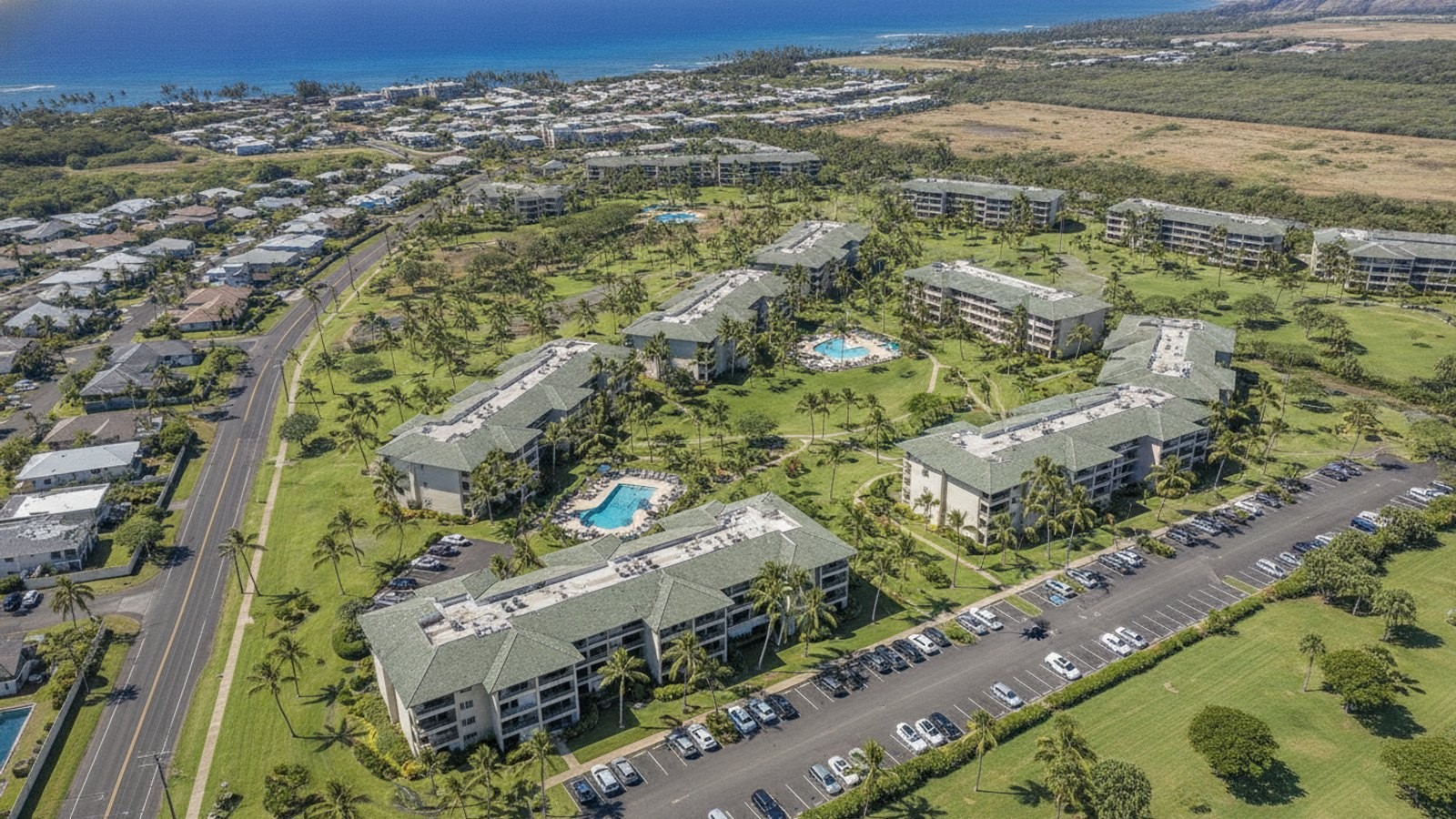
Selling a condo from thousands of miles away can feel like you’re handing over control. You’re trying to price it right, line up vendors, deal with condo documents, manage showings, review offers, and close escrow, all without being there in person.
The good news is this: yes, you can absolutely do it. If you follow the right system, the steps for selling a condo remotely are clear, manageable, and a lot less stressful than most owners expect.
Quick Takeaways
- Yes, you can sell a condo remotely without flying to Maui in most cases.
- The process works best when you have a trusted local partner and a clear plan.
- The basic steps are valuation, document gathering, prep, pricing, marketing, showings, offer review, escrow, remote signing, and tax planning.
- For Maui condos, building-specific data matters much more than broad island-wide averages.
- HOA or AOAO documents, maintenance fees, special assessments, rental rules, and fee simple vs. leasehold status can all affect value.
- Small preparation details like cleaning, touch-up work, and professional photos make a big difference with remote buyers.
- The strongest offer is not always the highest price.
- Most closing documents can be signed remotely, depending on escrow requirements.
- Before you list, it helps to know your likely net proceeds, not just your headline sale price.
What does it mean to sell a condo remotely?
Selling a condo remotely means managing the entire sale without being physically present at the property for most or all of the process. That includes preparation, showings, negotiations, escrow, and closing.
For Maui owners, this often means coordinating everything from the Mainland or from another country while relying on local people, solid communication, and accurate market data.
Can you sell a condo remotely?
Yes. In most cases, you can sell your condo remotely as long as access, preparation, showings, disclosures, escrow, and signing are handled correctly.
It usually works well when the condo is vacant, in a vacation rental program, or easy to access with local support. It takes a little more planning if there’s a tenant, unresolved repair work, multiple owners, a leasehold structure, or upcoming AOAO issues like insurance questions or special assessments.
The exact steps for selling a condo remotely
Here’s the clean version first:
- Clarify your goals
- Get a local condo valuation
- Review building-specific market activity
- Choose a trusted local selling partner
- Gather condo and HOA or AOAO documents
- Prepare the property with local vendors
- Price it strategically
- Launch professional marketing
- Manage showings remotely
- Review offers digitally
- Navigate inspections and escrow
- Sign closing documents remotely
- Plan for taxes or reinvestment after closing
Step 1: Clarify your selling goals
Before you talk about list price, get clear on the outcome you want.
Do this: decide whether your priority is top dollar, speed, convenience, or a clean timeline for reinvestment.
Why it matters: pricing, negotiation strategy, furniture decisions, and even timing all depend on this. A seller trying to maximize price will make different decisions than someone trying to stop carrying HOA fees and maintenance costs as soon as possible.
How to do it:
- Decide your ideal list date
- Set your preferred closing window
- Estimate the minimum net proceeds you’d accept
- Decide whether you want to sell furnished or unfurnished
- Consider whether a 1031 exchange, capital gains planning, or inherited property issues affect timing
Example: if you own a vacation-rentable condo in South Maui and want to roll proceeds into another investment, your strategy may lean toward timing and tax planning as much as sale price.
Step 2: Get a building-specific condo valuation
A remote seller should never rely only on an automated estimate.
Do this: get a local valuation based on your actual building, unit position, condition, and current buyer demand.
Why it matters: condos are hyper-specific. On Maui, two units with similar square footage can perform very differently based on view plane, floor level, remodel quality, rental history, and whether the condo is fee simple or leasehold.
How to do it:
- Compare recent sold units in the same building first
- Review current active listings competing with yours
- Watch pending sales for signs of current demand
- Factor in condition, furnishings, HOA fees, and any special assessments
- Look at days on market and recent price reductions
How do you value a condo remotely?
Start with recent sold comps in the same building, then compare active and pending listings, unit condition, view, floor level, square footage, rental eligibility, HOA fees, and special assessments. For Maui condos, building-specific data is usually more useful than island-wide averages.
Step 3: Choose a local selling partner who can actually execute
Remote selling is not just about listing a property. It’s about having someone on the ground who can solve problems fast.
Do this: choose a local partner who understands your condo project, your area, and the practical details of managing a sale from afar.
Why it matters: someone has to coordinate cleaners, repairs, photos, access, inspections, and buyer communication. If that person is disorganized or not local enough to understand the building, the process gets messy quickly.
Look for this:
- Maui condo market experience
- Familiarity with your specific project or neighborhood
- Experience with off-island sellers
- Strong communication habits
- Digital document handling
- Vendor coordination
- Honest pricing guidance
- Understanding of AOAO rules, rental restrictions, and building-level buyer objections
Ask this:
- How will you determine value?
- Are you using building-specific comps?
- Who handles prep and access?
- How often will I get updates?
- What could slow down a remote closing?
- What documents should I gather now?
Step 4: Gather condo documents early
This is one of the most overlooked steps for selling a condo remotely, and it’s one of the biggest sources of delay.
Do this: gather your condo, ownership, financial, and HOA or AOAO paperwork before the listing goes live.
Why it matters: buyers move faster when information is ready. Missing documents can slow negotiations, inspection periods, and escrow.
Documents you’ll typically need
- Deed or ownership records
- Mortgage payoff information
- AOAO or HOA documents
- CC&Rs and house rules
- Current maintenance fee details
- Special assessment notices
- Insurance information
- Property tax records
- Renovation receipts and permits
- Appliance or system warranties
- Rental history, if applicable
- Vacation rental records or permits, if applicable
- Leasehold documents, if applicable
- Property management agreements, if applicable
What documents do you need to sell a condo remotely?
You typically need ownership records, mortgage payoff details, HOA or AOAO documents, CC&Rs, house rules, maintenance fee information, special assessment notices, insurance records, tax records, rental history, repair receipts, and any leasehold or vacation-rental documentation that applies.
Step 5: Prepare the condo without flying in
You do not need to be on Maui to get a condo ready for market. You do need a tight plan.
Do this: start with a local walkthrough, then create a short punch list with the highest visual return.
Why it matters: remote buyers often form their first impression from photos and video, and then in-person buyers arrive expecting the condo to match that standard.
Focus on these items first:
- Deep cleaning
- Paint touch-ups
- Burned-out bulbs
- Broken blinds or hardware
- Leaky fixtures
- Odor or moisture issues
- Lanai cleanup
- Removing clutter and overly personal items
- Fresh linens or simple staging updates
- Servicing AC if the unit has it
Example: a clean Kihei condo with bright photos and a tidy lanai usually shows far better than a nicer unit that feels tired, dim, or cluttered online.
Step 6: Price the condo strategically
Pricing is the highest-leverage decision in the whole sale.
Do this: set a price that reflects market reality and attracts attention early.
Why it matters: the first days on market are when buyer interest is strongest. If you overprice, you can lose momentum fast. If you underprice, you may leave money on the table.
Use these pricing inputs:
- Recent sold condos in the same building
- Active competing listings
- Pending sales
- Days on market
- Recent price reductions
- View quality
- Furnishings
- Remodel level
- Rental performance
- HOA or AOAO fees
- Insurance and maintenance costs
- Short-term rental eligibility
- Fee simple vs. leasehold
A renovated ocean-view condo in Wailea will need a different pricing strategy than an older garden-view unit in Kihei. And then, of course, even inside the same project, upper floor, view orientation, and interior condition can shift value in a real way.
Step 7: Launch a remote-friendly marketing plan
Remote sellers need marketing that builds confidence quickly.
Do this: use professional photography, accurate listing details, strong condo-specific positioning, and clear access instructions.
Why it matters: many Maui buyers are shopping from off-island too. They often narrow choices online before they ever step onto a plane.
Your marketing should include
- MLS exposure
- Professional photography
- Video walkthrough if possible
- Clear description of view, layout, and updates
- Amenity details
- Furnishing status
- Rental history, if appropriate
- HOA or AOAO fee clarity
- Fee simple or leasehold clarity
- Showing instructions
- Easy access to documents when appropriate
Remote buyers want clarity. They want to know what they’re seeing, what the monthly costs look like, what the rules are, and whether the condo fits their goals.
Step 8: Manage showings remotely
You do not need to be present for showings if access is set up correctly.
Do this: create a clear showing plan based on whether the condo is vacant, owner-used, tenant-occupied, or in a vacation rental program.
Why it matters: smooth access keeps buyer momentum up. Friction kills interest.
Showing setup depends on occupancy
- Vacant condo: easiest option, with secure access and regular property checks
- Owner-occupied part-time: remove valuables and simplify access
- Tenant-occupied: follow lease terms and notice requirements
- Vacation rental condo: coordinate around bookings and decide how reservations will be handled
Ask for regular showing updates that include:
- Showing date
- Buyer or agent feedback
- Objections
- Price comments
- Follow-up status
Step 9: Review offers digitally and compare more than price
The best offer is the one most likely to close on terms that work for you.
Do this: compare all major terms, not just the headline number.
Why it matters: a slightly lower cash offer with fewer contingencies may be stronger than a higher financed offer with more risk.
Compare these offer factors
- Purchase price
- Financing type
- Earnest money deposit
- Inspection contingency
- Appraisal contingency
- Closing timeline
- Furniture inclusion
- Treatment of rental bookings
- Special assessment terms
- Buyer flexibility
How do you accept an offer remotely?
Most remote sellers review the offer digitally, discuss terms by phone or video, sign electronically where allowed, and move forward through escrow with help from their local real estate and escrow teams.
Step 10: Navigate inspections, escrow, and disclosures
This is where remote sales either stay smooth or start to wobble.
Do this: stay responsive, review issues quickly, and let your local team coordinate property access and repair estimates.
Why it matters: inspection findings, buyer document review, and title or escrow requirements can all affect timing.
Expect these items during contract
- Seller disclosures
- Home or condo inspection
- Repair negotiations
- Appraisal if the buyer is financed
- AOAO document review
- Title and escrow coordination
- Mortgage payoff confirmation
- Final settlement numbers
For Maui condos, buyers often pay close attention to maintenance fees, insurance, reserve strength, meeting minutes, rental rules, and any signs of upcoming building work.
This article is informational and not legal, tax, or financial advice. Confirm legal, tax, and escrow requirements with qualified professionals.
Step 11: Sign closing documents remotely
Most sellers do not need to fly in for closing.
Do this: follow escrow’s signing instructions early and make sure notarization logistics are arranged ahead of time.
Why it matters: some documents can be signed electronically, while others may need wet signatures or notarization.
Remote signing may include
- Electronic signatures
- Mobile notary services
- Overnight delivery
- Remote online notarization where accepted
- Embassy or consulate notarization for some international sellers
Do I need to fly to Maui to close on my condo sale?
Usually, no. Many sellers can sign closing documents remotely through electronic signatures, notary services, and overnight document delivery, depending on escrow and legal requirements.
Step 12: Plan for taxes, withholding, and reinvestment
Your sale price is not your net proceeds.
Do this: talk with your CPA or tax advisor before closing if capital gains, depreciation recapture, HARPTA, FIRPTA, or a 1031 exchange may apply.
Why it matters: sellers are often so focused on getting the condo sold that they forget to prepare for what happens to the proceeds after closing.
Common financial issues to review
- Capital gains tax
- Depreciation recapture
- 1031 exchange timing
- HARPTA
- FIRPTA
- Mortgage payoff
- Escrow fees
- Closing costs
- AOAO fees through closing
- Special assessments
If you’re selling an investment property and considering a 1031 exchange, involve a qualified intermediary before closing. Timing rules are strict.
Maui-specific details remote sellers should not overlook
Selling a condo on Maui has a few layers that don’t show up in generic mainland articles.
AOAO fees and special assessments
Higher maintenance fees can affect affordability and investor math. Special assessments can become a negotiation point fast, especially if buyers are comparing similar units in the same area.
Fee simple vs. leasehold
This matters a lot. Fee simple and leasehold condos attract different buyers and need different pricing context.
Rental rules and short-term rental questions
If your condo has vacation rental history, buyers will likely ask about legal use, house rules, management setup, and future reservations. Be accurate and document what you can.
Oceanfront and resort wear
Salt air, moisture, and building maintenance matter. Buyers may pay close attention to windows, lanai condition, AC, exterior upkeep, and insurance.
Common mistakes to avoid
Here are the mistakes I see remote condo sellers make most often:
- Relying on automated values alone
- Using island-wide averages instead of building-specific data
- Waiting too long to gather AOAO documents
- Overpricing because of emotion or outdated peak-market expectations
- Ignoring short-term rental rule changes
- Underestimating prep and photo readiness
- Focusing on sale price instead of net proceeds
- Letting communication get reactive instead of structured
Remote condo sale checklist
Use this as your working list:
- Define your sale goals and timeline
- Request a local valuation
- Review building-specific comps
- Gather AOAO and ownership documents
- Confirm maintenance fees and assessments
- Confirm rental rules and rental history
- Decide whether to sell furnished
- Schedule cleaning and repairs
- Arrange photography and video
- Review pricing strategy
- Launch the listing
- Track showings and feedback
- Review offers digitally
- Coordinate inspections and escrow
- Arrange remote signing
- Speak with your tax advisor
- Plan for proceeds or reinvestment
Final thoughts
You do not need to be on Maui to make a smart selling decision. You just need accurate local data, a clear process, and the right people handling details on the ground.
If you only focus on three things, focus on these:
- Get a building-specific valuation
- Gather documents early
- Price and prepare the condo for the buyer who is most likely to purchase it
That’s really the heart of it. When the process is structured well, selling remotely stops feeling chaotic and starts feeling very doable.