
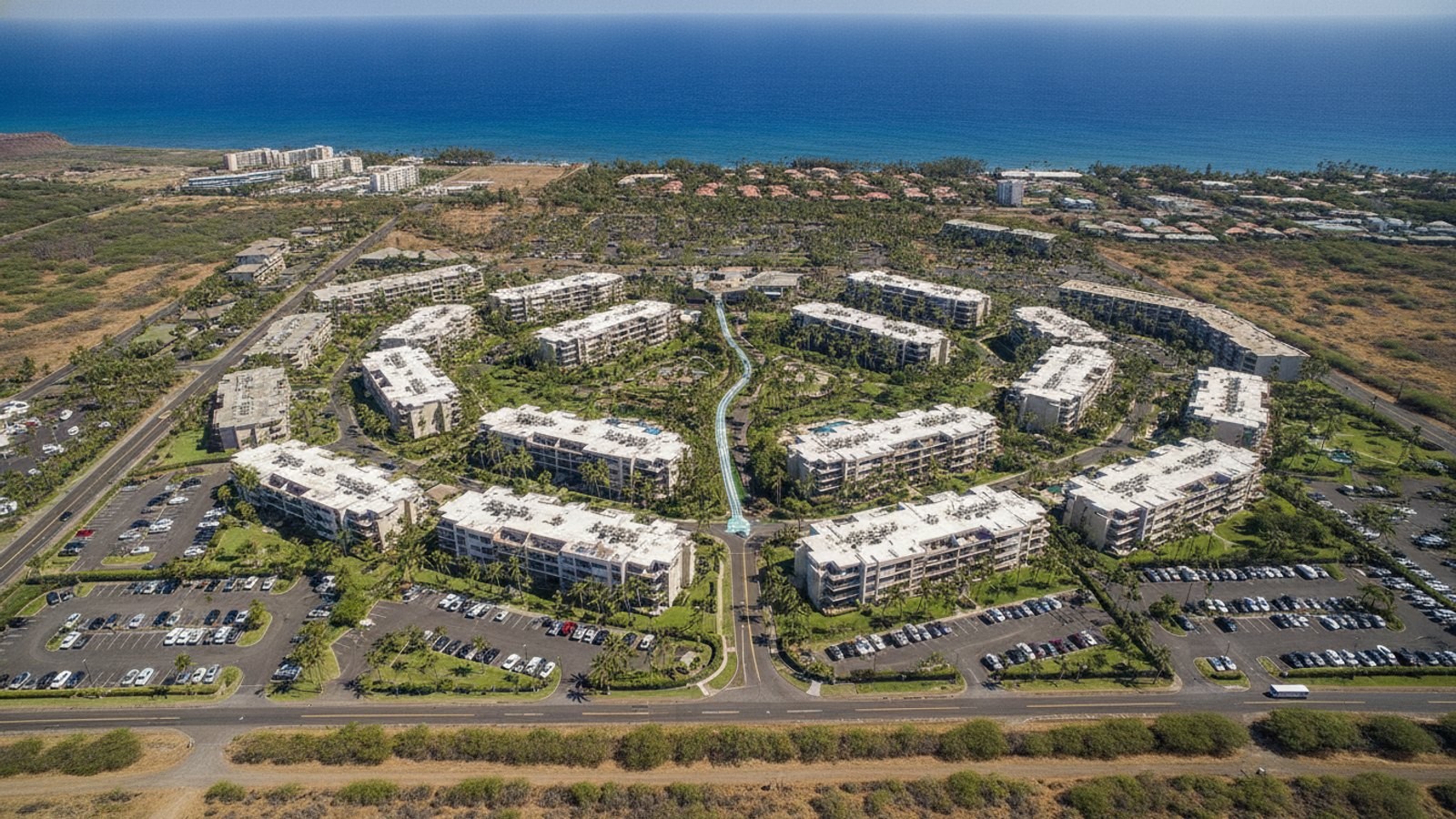
If you own a Maui condo but live off-island, selling can feel like trying to manage a major financial move through scattered emails, time-zone gaps, and updates that arrive a little too late. That’s where people start to feel out of the loop, and honestly, that’s where deals get messy.
The good news is that remote transaction management can make a remote condo sale feel organized, visible, and much more manageable. With the right system, you can stay in control from pricing to closing without having to jump on a plane every time a decision comes up.
If you're thinking about selling, start by requesting an instant property valuation and create a custom market report for your condo community so you can see what’s active, under contract, and sold right now.
Quick Answer: How Do You Manage a Condo Sale Remotely?
Remote transaction management for condo sellers is the process of coordinating pricing, prep, documents, showings, offers, escrow, signing, and closing when the owner is not physically present. For Maui condo sellers, it should also include HOA documents, special assessments, rental rules, tax planning, and project-specific market data.
Here’s the best way to manage a remote condo sale:
- Start with a project-specific valuation, not broad Maui averages
- Build a secure document hub before listing
- Set a weekly communication schedule
- Prepare the condo with remote walkthroughs, cleaning, and photography
- Control showing access with clear building instructions
- Review offers by net proceeds, contingencies, and risk
- Track escrow with a milestone calendar
- Plan early for HOA documents, HARPTA, FIRPTA, capital gains, or 1031 exchange issues
- Confirm signing and wire procedures before closing
The goal is simple: every task has an owner, every document has a place, and every deadline is visible before it becomes urgent.
What Is Remote Transaction Management in Real Estate?
Remote transaction management is the system that keeps an off-island condo seller informed, organized, and on schedule from listing to closing. It covers everything from pricing strategy and listing prep to escrow deadlines, signing, and final funds transfer.
It does not mean the seller disappears from the process. It means the process is organized so the seller can make smart decisions from anywhere.
Real Estate Agent
I look at pricing, positioning, marketing, negotiations, buyer behavior, and local market shifts. For a Maui condo seller, that also means understanding how one project in Kihei can behave very differently from another in Wailea, Kaanapali, or Kapalua.
Transaction Coordinator
This role helps track paperwork, signatures, timelines, disclosures, and contract compliance. It keeps details from slipping through the cracks.
Escrow and Title Team
They handle title review, settlement documents, closing coordination, recording, and funds disbursement. They’re central to a smooth remote closing.
Seller
You still make the big decisions. Price, timing, repairs, credits, acceptance terms, and financial planning are still yours. The system just makes those decisions easier and better informed.
Why Remote Maui Condo Sales Need a More Detailed Plan
The biggest risk in a remote condo sale is not distance. It is lack of visibility.
Maui condo sales often come with more moving parts than sellers expect. Between HOA documents, building access, rental calendars, special assessments, leasehold questions, tax withholding, and time-zone issues, it doesn’t take much for a small delay to turn into a closing problem.
This is especially true for off-island owners in places like California, Washington, Canada, or the East Coast, where Hawaii Standard Time can quietly create missed calls, delayed approvals, and signing bottlenecks.
Project-Level Data Matters More Than Island-Wide Averages
A condo in Wailea Ekahi does not price the same way as a condo in Kihei Alii Kai. A unit in Honua Kai won’t move like one in Villas at Kenolio. Even within the same complex, value can shift based on floor, view, condition, rental history, parking, lanai orientation, and monthly HOA fees.
That’s why I always tell sellers to zoom in. Island-wide averages are too broad to guide a real pricing decision.
Step 1: Start With a Project-Specific Valuation
Before you list, get clear on what buyers are actually comparing your condo to right now. That means active listings, pending listings, recent solds, and current competition inside your project or immediate area.
Do not price from:
- Automated estimate sites
- Old appraisals
- What a neighbor thinks it should sell for
- The number you hope to net
- General Maui market headlines
Instead, look at:
- Project or building comps
- Floor level and view corridor
- Renovation quality
- Furniture and presentation
- HOA fees
- Special assessments
- Fee simple vs. leasehold
- Rental performance, if relevant
- Days on market for similar units
What Remote Sellers Should Request Before Listing
Ask for:
- Estimated value range
- Suggested list price range
- Active competing listings
- Pending sales
- Recent sold comps
- Average days on market
- Price-per-square-foot comparisons
- Buyer demand notes
- Known building or HOA concerns
- Recommended prep items before launch
If you’re selling a condo in Kihei, Wailea/Makena, Lahaina/Kaanapali, Kapalua/Napili, or Wailuku, a custom market report is one of the most useful tools you can have before making pricing decisions.
Step 2: Build a Remote Seller Command Center
A remote seller needs one place for documents, contacts, deadlines, and decisions. If everything lives in separate emails, text threads, and attachments, the transaction starts to feel chaotic fast.
Documents to Gather Before Listing
Pull together:
- Deed or ownership records
- Mortgage payoff information
- Property tax records
- HOA budget and rules
- House rules and bylaws
- HOA fee amount
- Special assessment notices
- Insurance information
- HOA meeting minutes, if available
- Rental history
- Guest or lease calendar
- Renovation receipts and permits
- Appliance warranties
- Furniture inventory
- Keys, fobs, gate cards, parking passes
- Utility details
- Seller disclosure information
Transaction Contacts to List
Keep one clean contact sheet with:
- Seller and co-owner
- Agent
- Transaction coordinator
- Escrow officer
- Title contact
- CPA
- Attorney, if needed
- Qualified intermediary for 1031 exchange
- Property manager
- Cleaner
- Handyman
- HOA manager
Decision Rights
Decide this early:
- Who can approve repairs?
- Who can authorize price changes?
- Who handles vendor payments?
- Who responds to HOA requests?
- Who signs if there are multiple owners?
- What net proceeds number is the minimum acceptable result?
Step 3: Set a Clear Communication Schedule
Remote sellers should not have to chase updates.
A strong system includes a communication cadence before the condo ever hits the market. That way you know when to expect updates and when a silence actually means something is off.
Recommended Communication Cadence
I recommend:
- Weekly written updates while listed
- Immediate updates when offers arrive
- Same-day notice for strong showing feedback
- Escrow updates at least twice a week
- Urgent alerts for inspection, financing, title, or HOA issues
What Each Seller Update Should Include
Each update should cover:
- Number of showings
- Buyer feedback patterns
- Listing traffic and inquiries
- New competing inventory
- Price changes in the project
- New pending and closed sales
- Recommended adjustments
- Upcoming deadlines
- Decisions needed from you
Step 4: Prepare the Condo Without Flying to Maui
You do not need to be on island to get a condo ready for market. You do need a clear prep plan.
Remote Prep Checklist
Start with:
- A video walkthrough
- Repair list
- Deep cleaning
- Decluttering
- Linens and décor refresh
- Paint touch-ups if needed
- Lanai cleanup and staging
- Appliance check
- Light, plumbing, window, and screen check
- Professional photography
- Video or 3D tour if the buyer pool is remote
Avoid Over-Improving Before Listing
Not every renovation pays off.
Sometimes a clean, bright, well-photographed condo priced correctly will outperform a heavily upgraded unit that comes in too high. The right prep depends on the building, buyer pool, and price point.
Coordinate With Guests or Tenants
If the unit is tenant-occupied or used as a vacation rental, plan around:
- Booking calendars
- Guest arrivals and departures
- Cleaning windows
- Showing notice rules
- Access limits
- Income disruption
That part matters a lot in Maui, especially in resort-heavy condo areas.
Step 5: Manage Showings and Access Securely
Showing access sounds simple until it isn’t. Gate codes, lockboxes, resort check-ins, elevator access, parking instructions, and HOA rules all need to be clear before the first showing is scheduled.
Security Best Practices
Treat access and funds like real closing risks.
- Do not share gate or access codes casually
- Keep track of who enters the unit
- Secure owner closets and personal documents
- Use lockbox or smart lock procedures consistently
- Change codes if needed
- Keep showing instructions centralized and current
How to Use Buyer Feedback
One comment means very little. A pattern means something.
If multiple buyers mention price, dated finishes, high HOA fees, or building condition, that should trigger a strategy review. Organized feedback is much more useful than random remarks.
Step 6: Review Offers by Net Proceeds, Not Just Price
The highest offer is not always the best offer.
A strong remote transaction management system compares the full structure of every offer, not just the purchase price.
Offer Factors to Compare
Review:
- Purchase price
- Estimated net proceeds
- Cash or financing
- Earnest money deposit
- Contingencies
- Closing timeline
- Repair requests
- Seller credits
- Furniture inclusion
- Buyer flexibility
- Cancellation risk
If you only focus on headline price, you can miss a weaker buyer, riskier financing, or terms that create drag all the way through escrow.
Step 7: Keep Escrow Moving With a Milestone Calendar
Escrow moves best when deadlines are visible.
For remote sellers, delays usually come from missing condo documents, slow signatures, unclear HOA responses, tax questions, or repair negotiations that start too late.
Typical Remote Seller Escrow Milestones
Track these closely:
- Offer acceptance
- Earnest money deposit
- Seller disclosures
- HOA document delivery
- Inspection period
- Appraisal, if financed
- Title review
- Tax or withholding review
- Signing appointment
- Final walkthrough
- Recording and closing
Remote Signing Considerations
Some documents may be electronic. Others may need notarization or original signatures.
If you live on the Mainland, in Canada, or travel often, confirm signing requirements early. Waiting until closing week is where unnecessary stress shows up.
Step 8: Watch for Condo-Specific Deal Killers
Condo sales have their own pressure points.
The most common issues that delay or disrupt remote sales are missing HOA documents, unclear special assessments, high monthly fees, rental restrictions, insurance questions, and leasehold details.
HOA Fees
Buyers look at monthly carrying costs, not just price. If the HOA fee is high, be ready to explain what it covers and how it compares to similar properties.
Special Assessments
Known assessments should be addressed early and clearly. Buyers will want to know the amount, purpose, timing, and who is paying.
Rental Rules and Short-Term Rental Policy
For many Maui condo buyers, future use matters. If the project has rental restrictions or changing short-term rental rules, clarity matters.
Leasehold vs. Fee Simple
This can affect financing, buyer demand, and long-term value. If your unit is leasehold, organize those documents early.
Step 9: Coordinate Tax and 1031 Exchange Planning Before You Accept an Offer
Remote sellers often wait too long on tax planning, and that can create expensive surprises.
Depending on the property and ownership structure, you may need to think through capital gains, depreciation recapture, Hawaii tax issues, HARPTA, FIRPTA, estate questions, or 1031 exchange timing before the transaction gets too far along.
1031 Exchange Timing
If a 1031 exchange may be in play, involve your qualified intermediary before closing. Those deadlines are strict, and this is not something to figure out after the sale is already moving.
I don’t give tax or legal advice, so this is where your CPA, attorney, or qualified intermediary should be looped in early.
Step 10: Prevent Wire Fraud, Document Delays, and Communication Breakdowns
This is one of the most important parts of remote transaction management because the risk is real and the mistakes are costly.
Wire Fraud Prevention
Never rely only on email for wiring instructions.
Use these rules every time:
- Confirm wiring instructions by phone using a known, verified number
- Be suspicious of last-minute changes
- Do not click unexpected links
- Ask escrow about their wire verification process
- Use secure portals when available
If something feels rushed, different, or slightly off, stop and verify before sending funds.
Document Delay Prevention
To avoid closing slowdowns:
- Confirm signing requirements early
- Make sure all owners are available
- Build in extra time for notarized documents
- Keep identification current
- Plan ahead if originals must be mailed
Time-Zone Management
Maui runs on Hawaii Standard Time, and that sounds obvious until a deadline hits at the wrong moment.
If you’re selling from the Mainland or Canada, track key dates by time zone, not just by calendar day. A signing window or wire cutoff can get missed just because someone assumed everyone was talking about the same clock.
Remote Transaction Management Checklist for Condo Sellers
Before Listing
- Request an instant property valuation
- Create a custom market report
- Gather HOA documents
- Confirm fees and assessments
- Complete a remote walkthrough
- Schedule cleaning and photography
- Organize your document hub
- Set your communication plan
During Listing
- Monitor showing activity
- Review feedback patterns
- Watch competing inventory
- Track project-level price changes
- Adjust strategy if needed
During Escrow
- Complete disclosures quickly
- Order or deliver HOA documents early
- Track inspections and appraisal
- Confirm signing logistics
- Verify wire instructions safely
- Review the settlement statement carefully
Common Mistakes Remote Condo Sellers Should Avoid
The most common mistakes I see are:
- Pricing from island-wide averages
- Waiting too long to gather HOA documents
- Overlooking special assessments
- Assuming remote closing needs no extra planning
- Ignoring tax questions until closing week
- Letting buyer feedback stay scattered
- Trusting email alone for wire instructions
- Forgetting that time-zone gaps can delay approvals and signatures
How Maui Just Listed Helps Remote Condo Sellers Stay Informed
For remote sellers, information gaps create stress. Maui Just Listed is built to reduce those gaps by giving owners access to current listing activity and community-level market reports instead of broad averages that may not reflect a specific building.
That matters whether you own in Kihei, Wailea/Makena, Lahaina/Kaanapali, Kapalua/Napili, Kahului, Wailuku, Paia, Haiku, Kula, Pukalani, Makawao, or even Lanai. The more specific the data, the better the decisions.
If you're preparing to sell from off-island, request an instant property valuation first. Then create a custom market report for your condo community so you can track active, under contract, and sold listings with a lot more clarity.
Final Takeaway: Remote Selling Works Best With a Clear System
A smooth remote condo sale comes down to preparation, visibility, and communication.
Remote transaction management works when you know your condo’s real market position, have your documents ready, track deadlines closely, protect the closing process from wire fraud, and treat time-zone mistakes as real risks, not small details.
You do not need to be on Maui to sell well. But you do need a system.
If you’re planning a remote Maui condo sale, start with an instant property valuation, build a custom market report for your community, and put the transaction plan in place before the first showing is ever scheduled.
FAQs About Remote Transaction Management for Condo Sellers
What is remote transaction management?
Remote transaction management is the process of coordinating a real estate sale when the seller is not physically present. It includes pricing, listing preparation, document collection, showings, offers, escrow deadlines, signing, and closing.
Can I sell my Maui condo if I live off-island?
Yes. Many Maui condo owners sell from the Mainland, Canada, or elsewhere. The key is having a clear system for valuation, communication, documents, access, escrow, and remote closing.
Do I need to come to Maui to close the sale?
Not always. Many remote closings can be handled without traveling, but some documents may require notarization or original signatures. Confirm the process with escrow early.
What are the biggest risks in a remote condo sale?
The biggest risks are poor communication, missing HOA documents, inaccurate pricing, delayed signatures, tax surprises, wire fraud, and time-zone mistakes that affect deadlines.
How do I protect myself from wire fraud during closing?
Never rely only on email for wiring instructions. Confirm instructions by phone using a verified number, be cautious about last-minute changes, and avoid clicking unexpected links.
Why does time-zone management matter in a remote closing?
Because deadlines, signing windows, and wire cutoffs are tied to business hours. A seller on the East Coast or in Canada can miss a Hawaii deadline simply by assuming everyone is working on the same clock.